

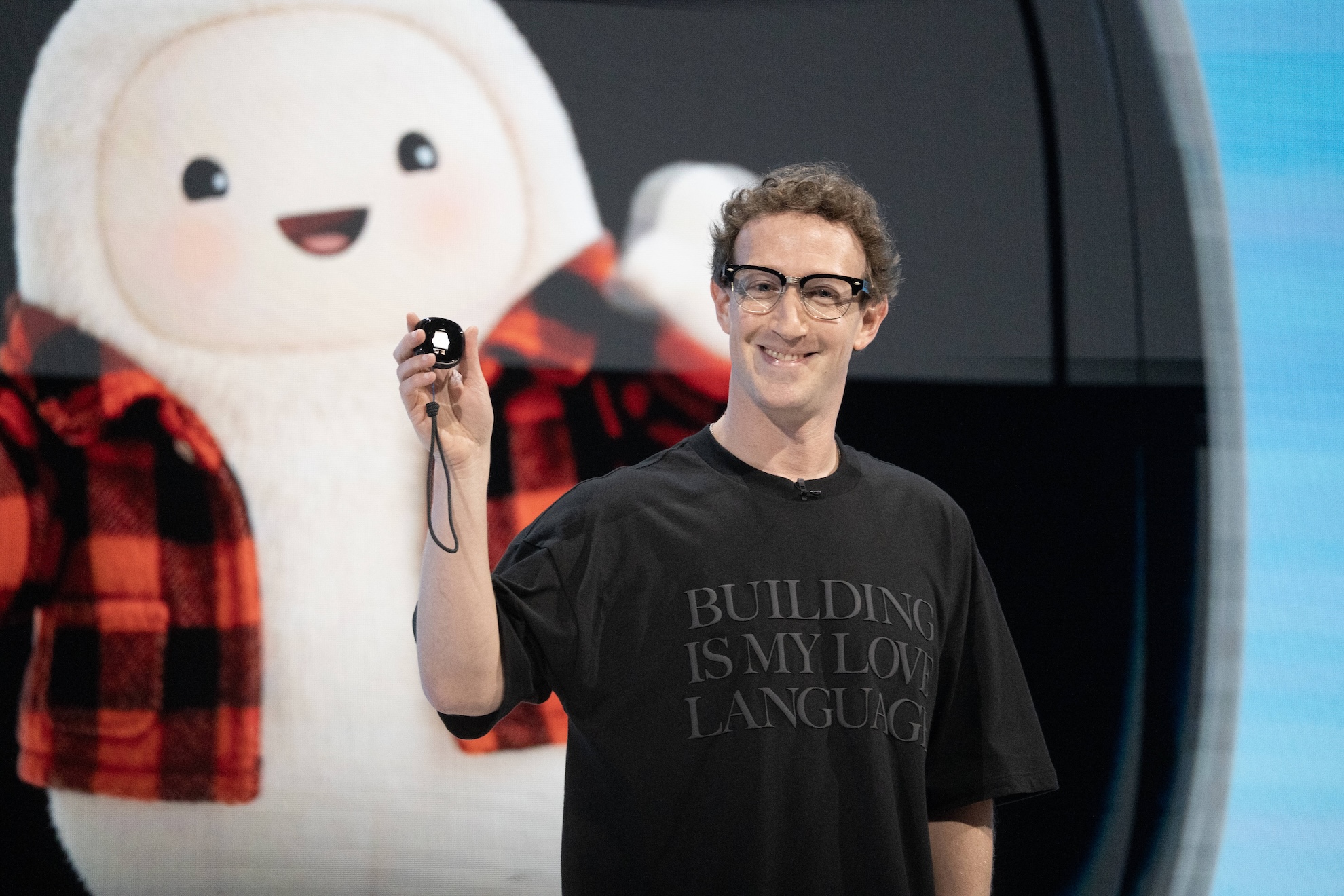
Consumer AI products are drawing renewed attention, but the economics of serving individuals remain difficult, according to TechCrunch’s Russell Brandom. Meta’s Muse assistant and its mascot Jolly have attracted interest, while OpenAI’s Dots and Instinct are pursuing similar personal assistant ideas. Instinct has reached a $10 billion valuation.
Figures cited in Andreessen Horowitz’s semiannual State of Markets report, drawn from a PNC research report, show that as of May, 2.2% of consumers paid for AI services, spending an average of $31 a month. Bank of America found that roughly 3% of U.S. consumers paid for AI in March, up 40% from a year earlier. A Menlo survey from September found that a quarter of adults used AI daily, and half of those users paid for it.
Brandom argues that the bigger obstacle is operating cost, rather than a lack of potential customers. Using Netflix’s 325 million subscribers as a benchmark, he estimates that $34 per customer would generate $11 billion in annual revenue, less than a third of OpenAI’s operating costs.
OpenAI has reportedly shifted toward enterprise, with bookings said to have doubled since July. Dots also has an enterprise use case for software engineers and agency creatives. Meta’s advertising business may give Muse more monetization options, and Meta is exploring enterprise sales. Instinct plans to take a cut of purchases made through its assistant. Brandom concludes that consumer AI may need enterprise revenue to support substantial growth.
Comments
0No comments yet. Be the first to comment.