

Tesla is beginning public rides with its Cybercab robotaxi in Austin, Texas, nearly two years after Elon Musk unveiled the vehicle as part of the company’s autonomy strategy.
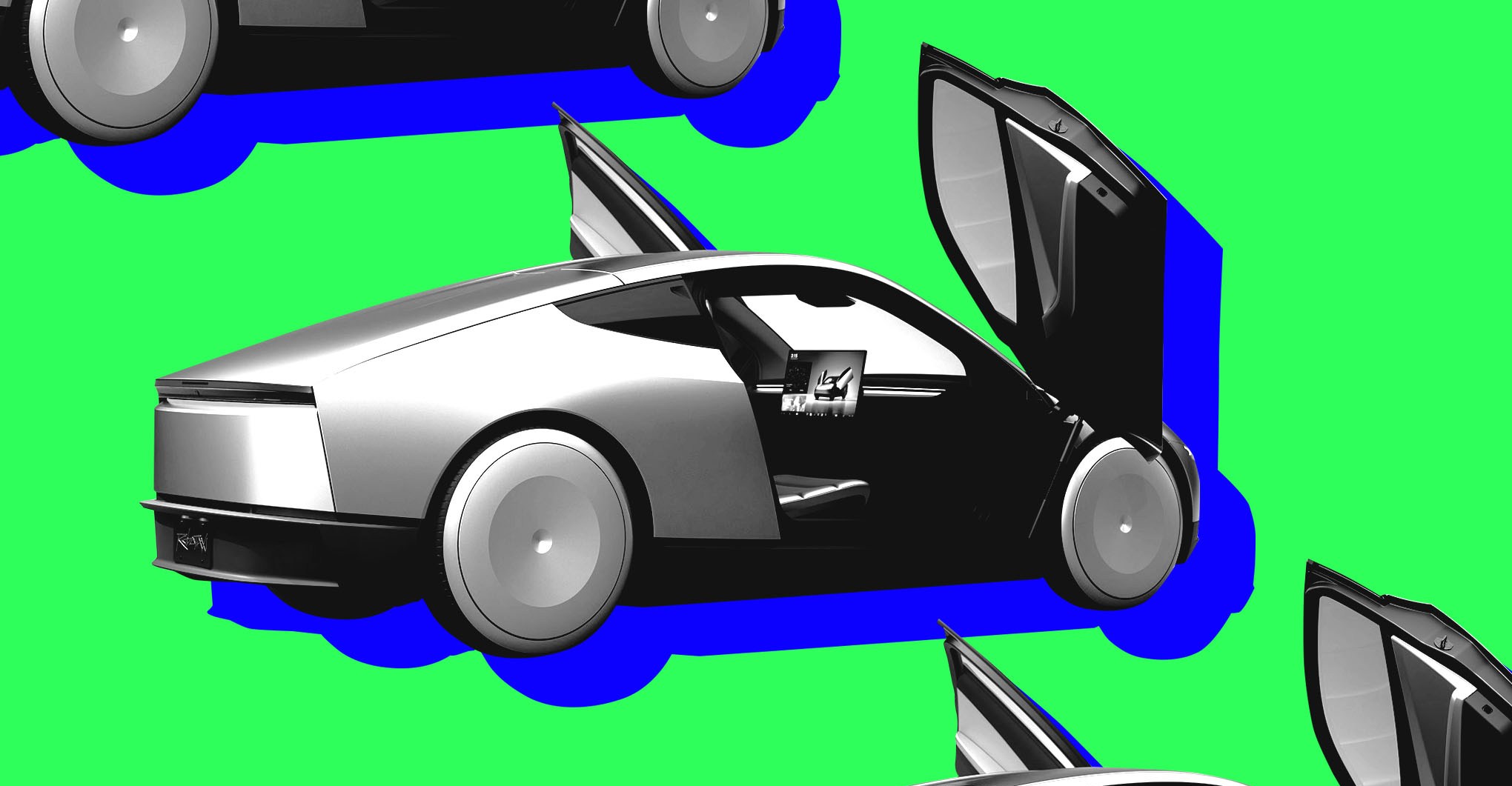
The gold-tinted, two-seat vehicle has gull-wing doors and no steering wheel or pedals. It uses a modified version of Tesla’s Full Self-Driving (FSD), monitored by remote operators who could theoretically intervene if a problem occurs. For Tesla owners, FSD remains a Level 2 driver-assistance feature that requires human supervision.
The Cybercab represents Musk’s long-running bet on camera-only self-driving. Tesla removed radar from its perception system in 2022, leaving cameras and an AI-powered neural network to estimate depth and distance. The approach can be challenged by glare, rain, snow, fog, or obscured cameras, while lidar and radar provide additional sensor data in these conditions.
Waymo uses lidar, cameras, and radar and operates 4,000 fully driverless vehicles in up to 14 US cities. Waymo co-CEO Dmitri Dolgov has said cameras can closely approximate human driving, but that cameras alone are not enough for full autonomy and safety beyond human performance.
Tesla says the simpler design could make Cybercabs cheaper to produce and faster to deploy. The launch will put Musk’s autonomous-driving promises under closer scrutiny.
Comments
0No comments yet. Be the first to comment.