

Generative AI is increasingly being used to create restaurant menus, but the results can have a strangely uniform look that customers find unsettling.
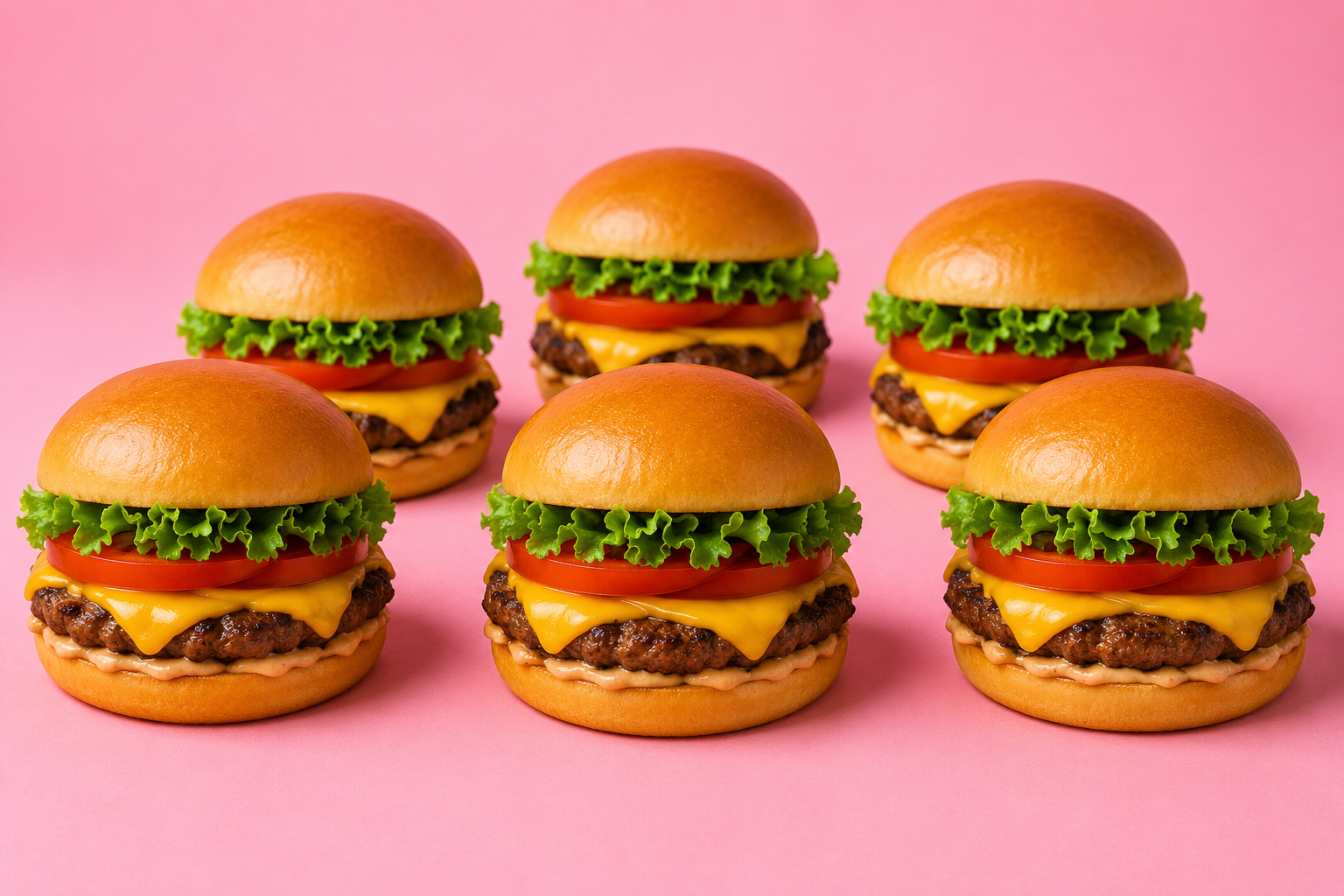
Illustrations of bagel sandwiches, burritos, ice cream and shrimp may appear flawless, symmetrical and unusually smooth. Reality Defender CTO Alex Lisle told TechCrunch that these images can resemble an alien’s attempt to make food without understanding its core principles. He described the effect as convergence rather than model collapse: AI outputs lose quality and variety without becoming entirely unusable.
Large language models and diffusion models learn patterns from vast datasets. When asked to create a fast-food menu, they may draw on familiar styles associated with Wendy’s, Burger King, McDonald’s and other popular chains. Because those menus already share visual conventions, generated designs can reinforce the same aesthetic.
Repeated editing may intensify the effect. A user named Labtec showed on X how a ChatGPT menu changed after 100 edits, becoming progressively rounder and smoother. Researchers at the University of Duisburg-Essen in Germany found that almost-real AI food images can produce an “uncanny valley” effect, causing more disgust and unease than obviously fake images.
Comments
0No comments yet. Be the first to comment.