

The Verge reporter Sean Hollister says he customized a Meta-sanctioned Muse Gadget using a $50 Waveshare ESP32-S3 1.75C pendant and Claude Code. The device has a 1.75-inch touchscreen and connects to Meta’s Muse AI cloud using the company’s open-source code and tokens. Hollister says setup involved plugging it into a PC, pointing Claude at Meta’s GitHub, and pairing it with the Muse phone app.
At first, Muse treated voice input as audio to transcribe rather than commands, replied slowly, and did not speak its answers aloud. Its screen showed only a few words at a time, and the device came with one Jolly avatar. It also did not automatically discover smart home devices. Hollister says the initial video-streaming sample app lacked a remote shutter button.
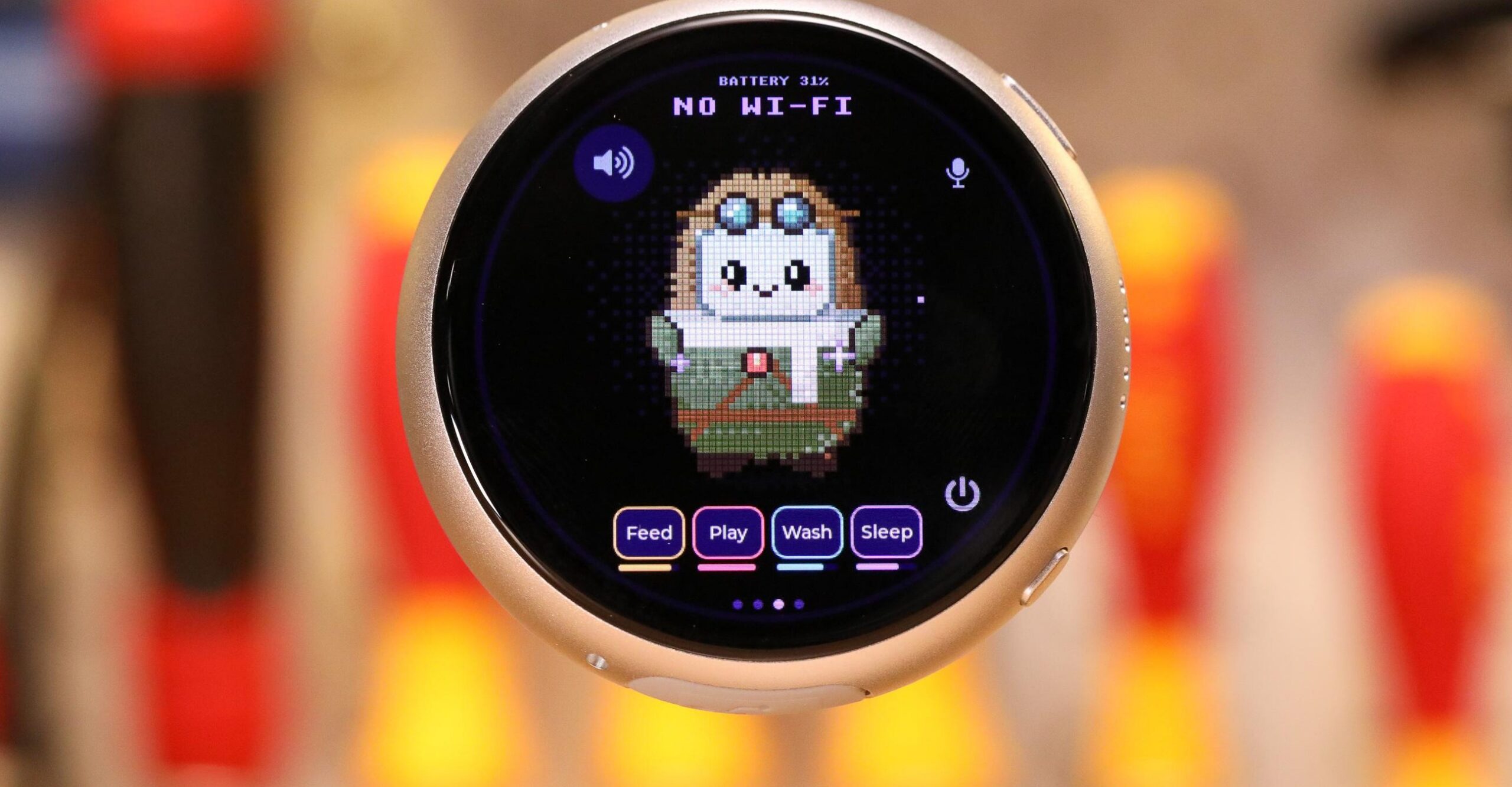
After several sessions with Claude Code, Hollister added a conversation history page, spoken responses using a British voice from ElevenLabs, a remote phone-camera shutter with a live preview, and a lower-quality camera preview over Bluetooth. He also created additional avatars and a Tamagotchi-like game with needs including food, play, sleep, and bathing. A fix filters out audio clips shorter than one second.
Hollister says Meta’s servers still sometimes lag. He also says he has no coding experience and cannot assess the code’s quality, and that he does not trust Meta or its Muse agent with his email or home network. He put the device on guest Wi-Fi. The source does not establish how useful Meta’s planned Muse Charm will be.
Comments
0No comments yet. Be the first to comment.