

More than half of Europe’s office workers use AI at least once a week, up from 37% last year, according to HP’s Work Relationship Index 2026. But the report also finds that many employees have not discussed how AI could affect their roles or staffing.
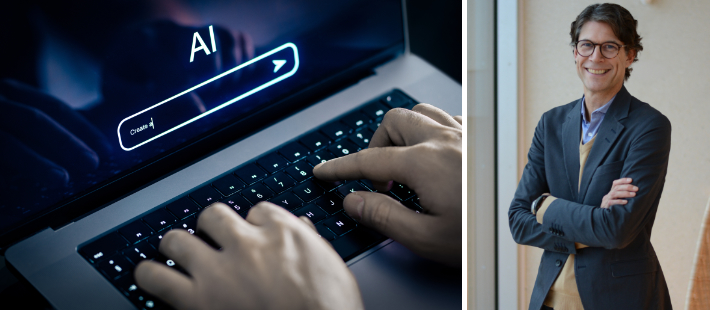
Only 17% of employees say they have had such a discussion, and 33% say their organization communicates clearly about the issue. Magnus Janson, country manager at HP Sweden, told Techtidningen that companies often speak about AI strategy and productivity without explaining what the technology could mean for employees’ tasks, skills and career prospects.
Concern about job replacement is higher among people using more advanced AI tools. In that group, 44% worry AI could replace their work. The share is about one-third among generative AI users. Janson said people working closely with advanced tools may see more clearly which tasks could be automated, made more efficient or changed. He said HP expects AI to change jobs rather than eliminate them entirely.
Four in ten respondents believe AI could force them into a significant career change within a few years. Janson said workers will need to use AI tools, review AI-generated content and assess its quality, alongside business knowledge, adaptability and critical thinking.
Looking two to three years ahead, Janson expects office work to focus more on governance, quality assurance and decisions based on AI-generated material. He said this would mean changing roles, not necessarily fewer people, and that the organizations most likely to succeed will help people and AI work together.
Comments
0No comments yet. Be the first to comment.