

Investigative genetic genealogy and artificial intelligence are helping detectives examine cold cases, while raising questions about privacy and funding, the BBC reports.
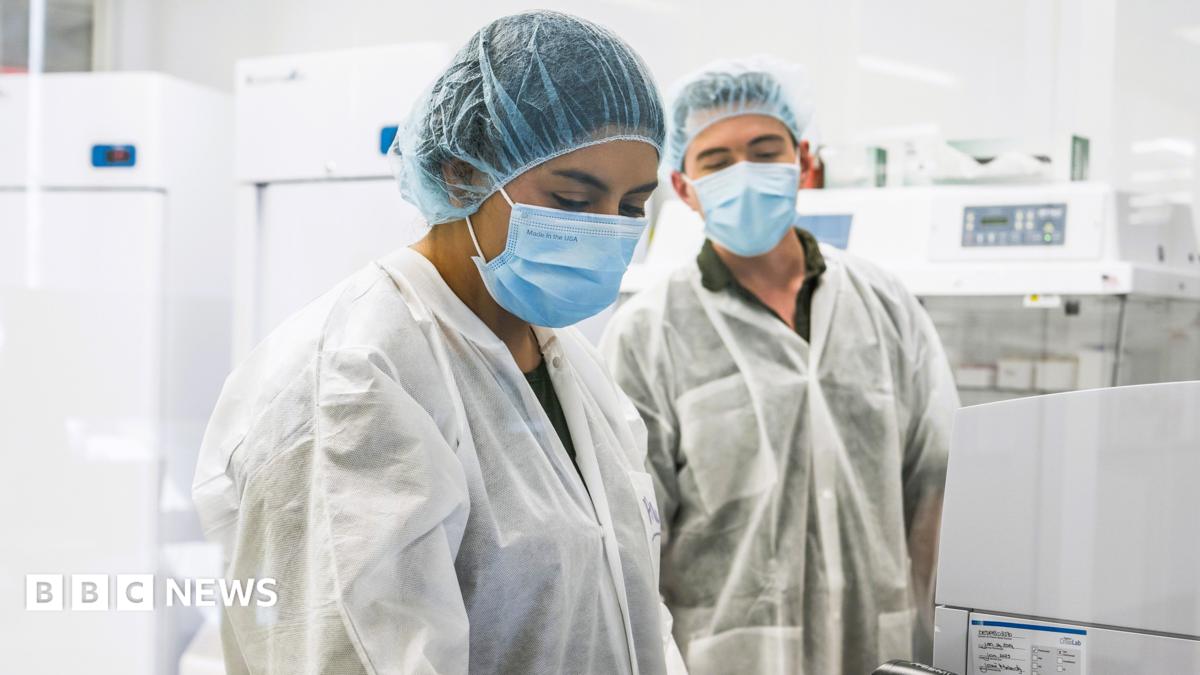
In Illinois, DNA evidence from the 1993 killing of Randy Gail Sperino produced no match in standard law enforcement databases. After decades of investigation, detectives sent the evidence to Othram, a Houston-based company. Using DNA profiles submitted by the killer’s extended relatives to ancestry databases that allow law enforcement matching, the company identified a male family member. That clue led investigators to Albert “Buddy” Zigler, 70, who confessed. He was charged in May.
Detectives also used CentralSquare’s Centerline AI to analyse more than 2,000 pages of records gathered since 1993. The platform helped organise witness information and reconstruct timelines. Madison County Sheriff’s Office Captain Tim Lawrence said investigators could ask the AI questions, but stressed that technology could not replace follow-up investigation.
Investigative genetic genealogy can identify distant relatives when a suspect’s own DNA profile is unavailable, but it cannot help when there is no DNA. Othram says it has helped solve thousands of cases. The approach has also raised privacy concerns because relatives may not have consented to law enforcement matching. It is used in countries including Sweden, Denmark and Australia, but not yet in the UK. A UK forensic genetics professor cited by the BBC said the country’s DNA database gives investigators more than a 65% chance of identifying someone when crime-scene DNA is available.
Comments
0No comments yet. Be the first to comment.