

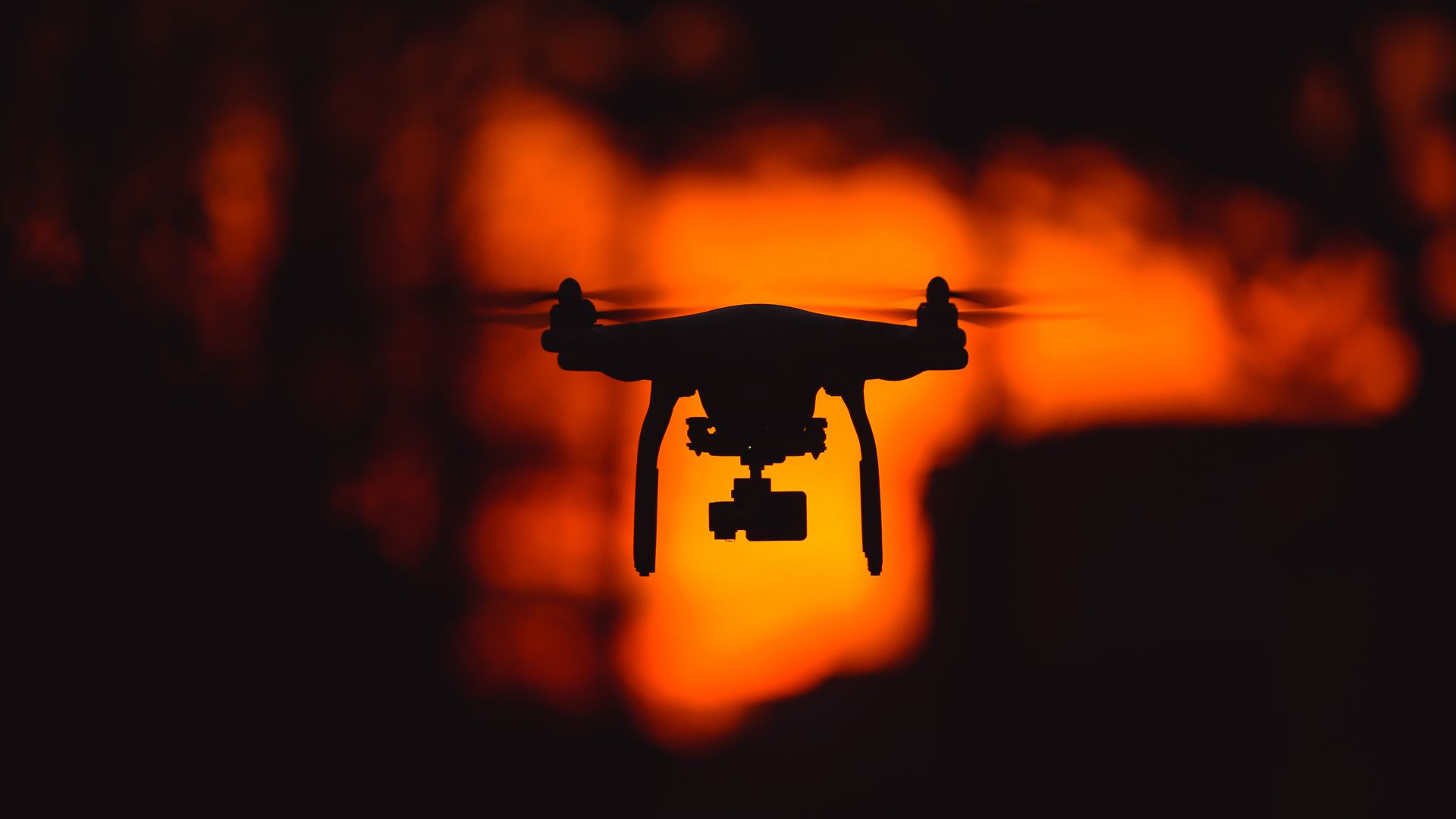
A small drone flying over a snow-covered Swedish test range in January 2026 detected several objects, ranked an armored engineering vehicle as the most valuable target, and flew directly toward it before dropping an explosive, TechRadar reports.
The exercise was part of BAE Systems Bofors’ Affordable Loitering Modular Ammunition (ALMA) program, with onboard artificial intelligence supplied by Uppsala-based Scaleout Systems. No human was involved in selecting, targeting, or neutralizing the object. The AI detected, identified, and geolocated potential threats. A pilot remained on standby and the drone kept a continuous connection during the test, while people set the exercise parameters and pressed a button to start it.
The capability could make a drone harder to stop if its links are jammed, but the lack of human oversight also creates risks if the system malfunctions or selects the wrong target. BAE Systems Bofors’ release on the three-day Winter Demo 2026 event in Karlskoga did not mention the strike. It described roughly 20 startups and technology companies taking part.
The test is not unprecedented: Israel’s Harpy loitering munition has detected and attacked radar emitters autonomously since the 1990s. On September 5, 128 states party to the Convention on Certain Conventional Weapons agreed on a non-binding text on lethal autonomous weapons. Stop Killer Robots said three years of work had been substantially diluted after late changes by the United States and Russia. The unresolved question is how such a drone makes decisions when cut off from human oversight.
Comments
0No comments yet. Be the first to comment.