

Space startup Xona Space Systems plans to begin beta testing its precision navigation and timing service after SpaceX launches six of its satellites later this month, according to TechCrunch.
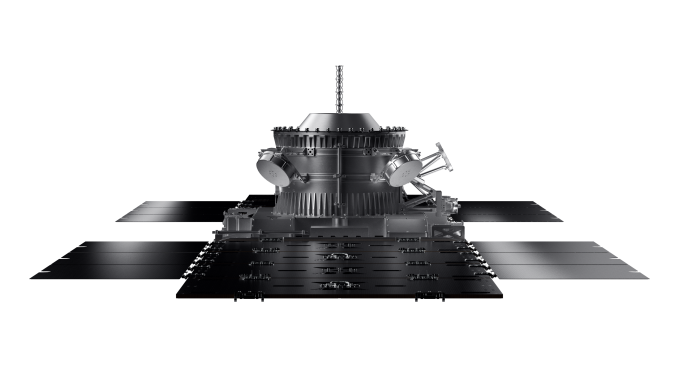
Four satellites are similar to a prototype Xona launched last year. The other two were built by Xona and are intended to lay the foundation for Pulsar, a planned 258-satellite constellation. The company says Pulsar will provide centimeter-level positioning, compared with meter-level precision from GPS, and that its signal can be detected indoors and in urban areas.
Xona says its system is designed to work with existing GPS receivers after a relatively simple software modification. The company developed an architecture that lets its satellites keep time without onboard atomic clocks, using their proximity to Earth and communication with ground-based time sources.
Once the satellites are in orbit, Xona expects they will pass over mid-latitudes about eight times a day, enabling beta tests with customers. TimeBeat CEO Ian Gough told TechCrunch that an initial pilot will let his engineers check and correct timing from the company’s devices worldwide.
Xona hopes to provide full coverage in the U.S., Europe, Japan, and South Korea by 2028. The company has raised just over $300 million since its 2019 founding, including $20 million from the U.S. Space Force. Its CEO, Brian Manning, told TechCrunch that the service could support applications including autonomous vehicles.
Comments
0No comments yet. Be the first to comment.