

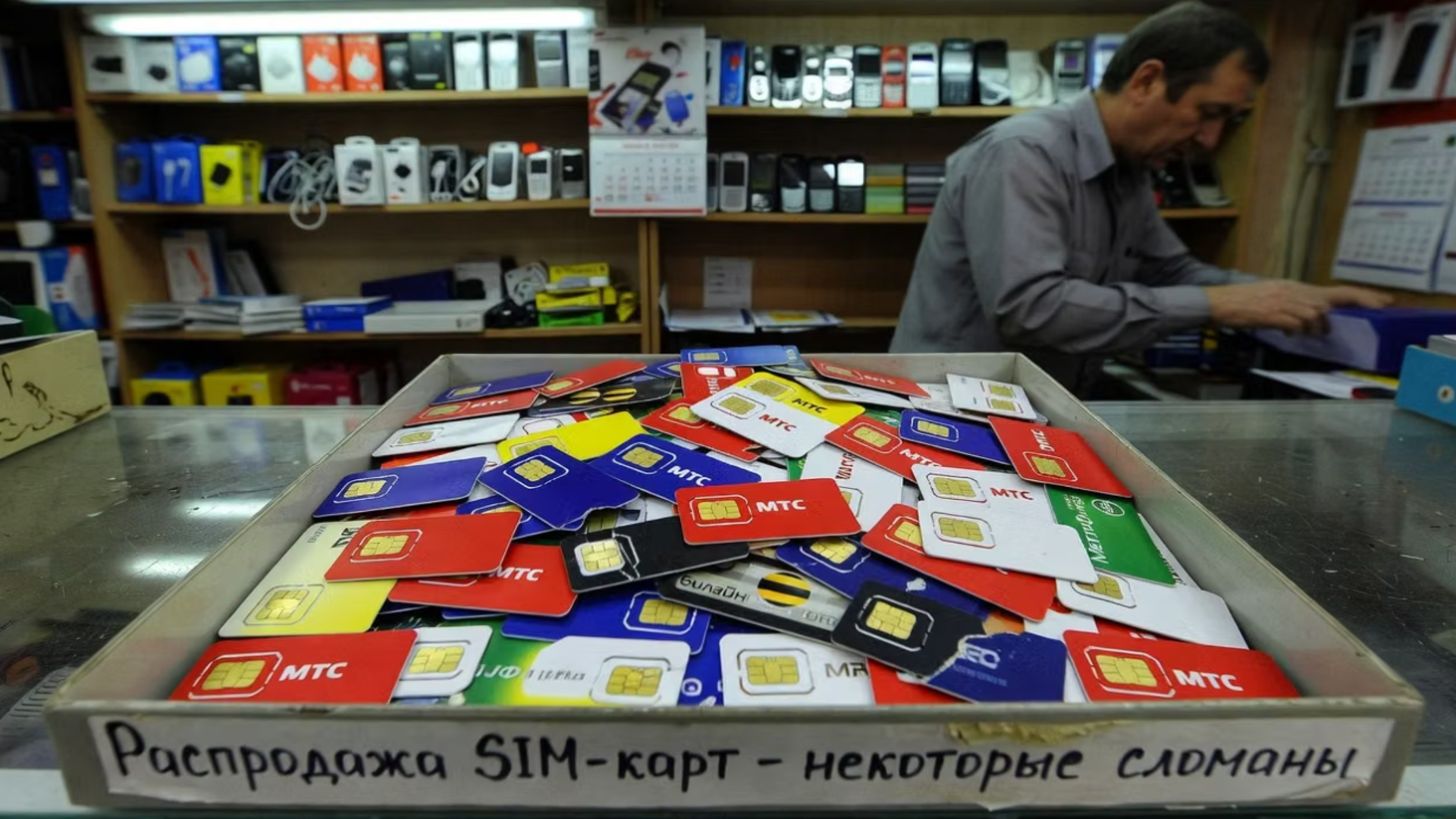
Russia is considering a new package of anti-fraud rules, called Anti-Fraud 3.0, that could sharply reduce the number of people allowed to sell SIM cards. The proposals would reserve number registration for direct dealers and require new SIM cards to have no funds loaded before customers sign service agreements.
An industry estimate cited in the report says intermediaries currently account for almost half of physical SIM purchases in Russia. Individual entrepreneurs who connect operators with customers could lose the ability to arrange subscriber agreements, potentially affecting thousands of retail locations. T2, a Russian mobile operator, has argued that tighter requirements for intermediaries could work better than eliminating the model. It says it already verifies customer identities before activating numbers.
Under the proposal, customers would sign an agreement before adding funds to a new SIM. The Finance Ministry says payment records could help trace numbers bought for fraud. The package also considers requiring identifiable sender details for bulk text messages, prohibiting automated calls made solely to check whether numbers are active, and requiring website and app owners to retain registration and login records for three years for law enforcement when legally required.
Operators already have to verify customers before activating numbers under changes to communications law introduced in spring 2025. T2 and Beeline say customers cannot use new numbers before completing those checks. The Finance Ministry says Anti-Fraud 3.0 is still being developed, with industry recommendations under consideration before a final decision.
Comments
0No comments yet. Be the first to comment.