

German startup Orbital Matter says its Replicator-2 satellite has 3D-printed a half-meter-long rigid beam in orbit, which company executives called a first for a free-flying spacecraft. The demonstration is a step toward building larger structures in space.
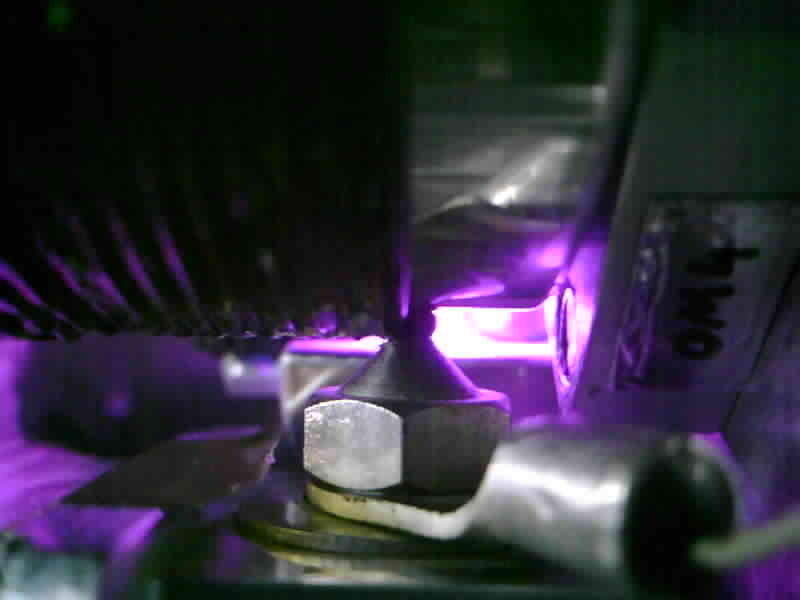
Launched on a SpaceX rideshare mission this summer, the satellite carries four printers. Each extrudes coils of custom resin that ultraviolet light cures into a cylindrical beam. The beam’s length was limited by the resin onboard. The company’s engineers believe 100-meter booms are feasible.
Orbital Matter says building spacecraft structures in orbit could help address the power and heat-dissipation needs of future spacecraft, including potential orbital data centers, while avoiding the limits of rocket fairings. Today, large structures such as solar arrays and telescope mirrors are typically folded for launch and deployed in orbit.
Two of the satellite’s printers were designed to deploy a flexible solar array, but an anomaly caused one to fail. The boom that was produced successfully deployed the array. Orbital Matter says earlier 3D-printing work in microgravity took place inside the pressurized International Space Station.
The company is working on another demonstration mission scheduled for launch in 2028. It plans to test a larger printer on a bigger satellite, with the aim of deploying a solar array capable of generating 5 kW. Orbital Matter describes that mission as a step toward deployments of more than 100 kW per wing by 2030. The company is also working with satellite builders considering its printer-assisted deployment system for solar panels, antennas, and other components.
Comments
0No comments yet. Be the first to comment.