

Intero Biosystems is selling lab-grown human intestinal organoids to drugmakers and other companies as a model for studying how compounds affect gut tissue. The Denver-based startup says its models could help researchers assess drugs and reduce reliance on animal testing.
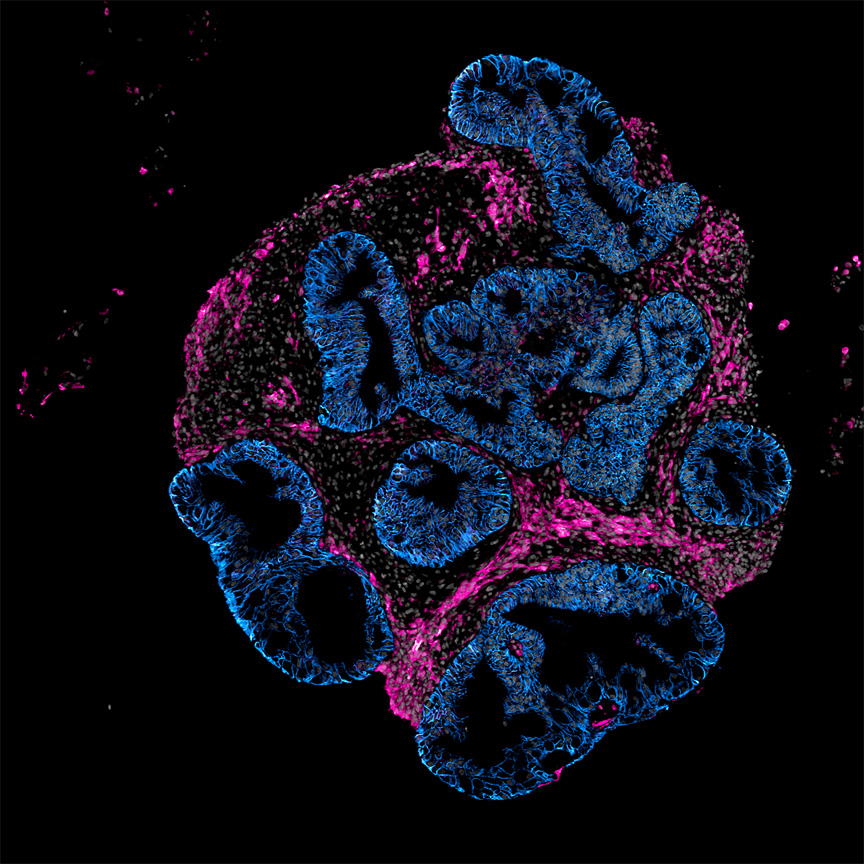
Its flagship product, GastroScreen, is derived from induced pluripotent stem cells and contains multiple cell and tissue types found in the human intestine. Each organoid is about 1 millimeter across; the company ships roughly 100 in a tube. Customers can use healthy models or induce disease-like conditions, co-founder and CEO Charlie Childs told TechCrunch.
Founded in 2024, Intero has seven employees and just under 10 customers. It raised a $2.3 million pre-seed round last year and generated more than $400,000 in revenue from the fourth quarter of last year through the third quarter of this year, Childs said.
The company says it is still building evidence that GastroScreen can predict human drug responses. It is in the second stage of a three-stage validation process, testing drugs with documented effects in people. Childs said the models have shown expected responses to drugs that reduce intestinal inflammation and compounds known to damage the gut. Comparisons with pharmaceutical companies’ animal and clinical data are underway.
Intero does not use AI to build its organoids. It plans to license biological datasets generated with them to pharmaceutical and AI companies. The source article says the startup is focused on scaling production, but its final sentence is cut off after stating it can currently make “a few thousand.”
Comments
0No comments yet. Be the first to comment.