

Industrial AI is increasingly moving from central cloud systems to the machines that generate the data. Erik Zeitler, co-founder and software engineer at Stream Analyze, says unreliable connectivity, limited bandwidth and response times can make cloud-based analysis impractical in mines, ships and vehicle fleets.
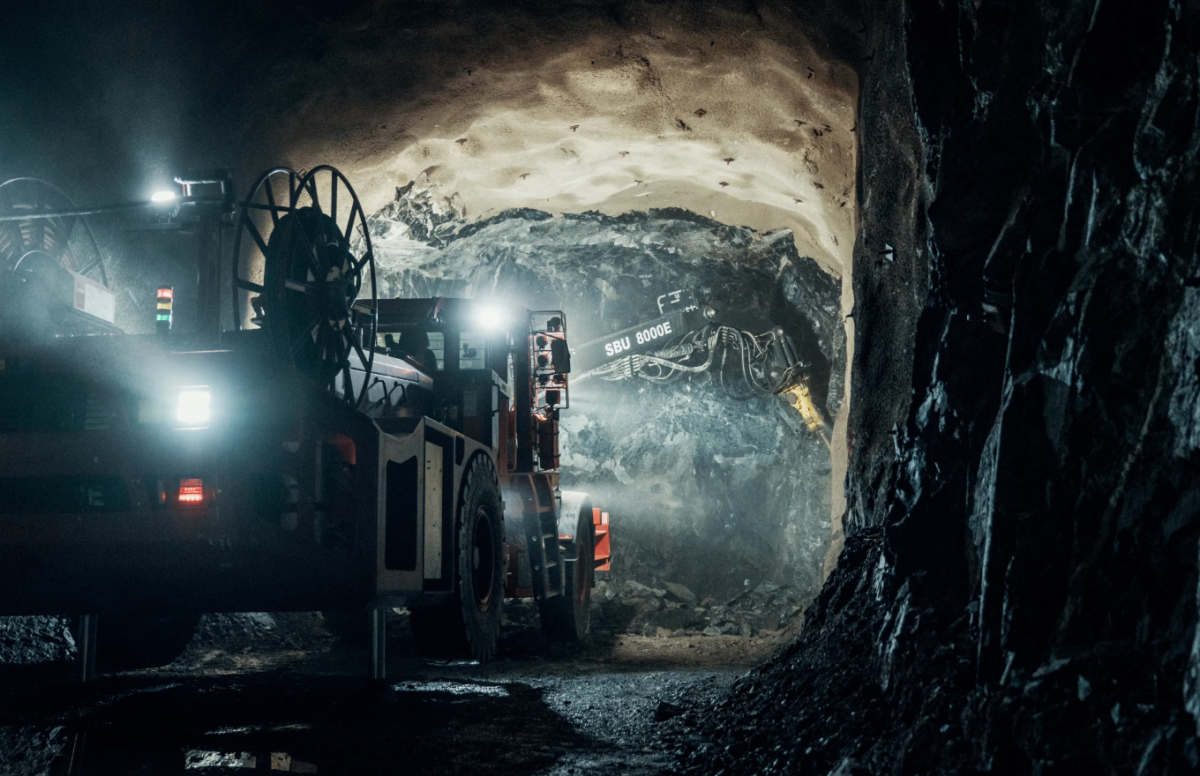
The approach was tested in the Freeport research and development project with Volvo Group, Boliden, Högskolan i Halmstad, RISE and AI Sweden. Electric vehicles operated in Boliden’s mine, where connectivity could vary underground and during handovers to mobile networks. Stream Analyze therefore moved the models closer to the data.
One model predicted an electric vehicle’s battery charge level. The information could help determine how deep the vehicle can drive into the mine. If the battery is full, regenerative braking cannot be used in the same way, and the driver cannot rely on friction brakes for 740 meters. The analysis therefore needs to run close to the vehicle and in near real time.
Zeitler says machines can act as distributed databases, allowing companies to analyse and query data where it is created. He cites potential access to 100 times or 1,000 times more data than today, while avoiding communication and cloud-infrastructure costs that can stop use cases. Model changes that normally require firmware updates and take months may in some cases be completed in minutes. The models still need testing and validation for processor, memory, response time, cybersecurity and privacy, with version management linked to existing company tools.
Comments
0No comments yet. Be the first to comment.