

Helix Carbon says it can reduce emissions from ironmaking and lower producers’ costs by recycling carbon dioxide from blast furnace exhaust. The startup’s approach keeps existing blast furnaces in use rather than replacing them.
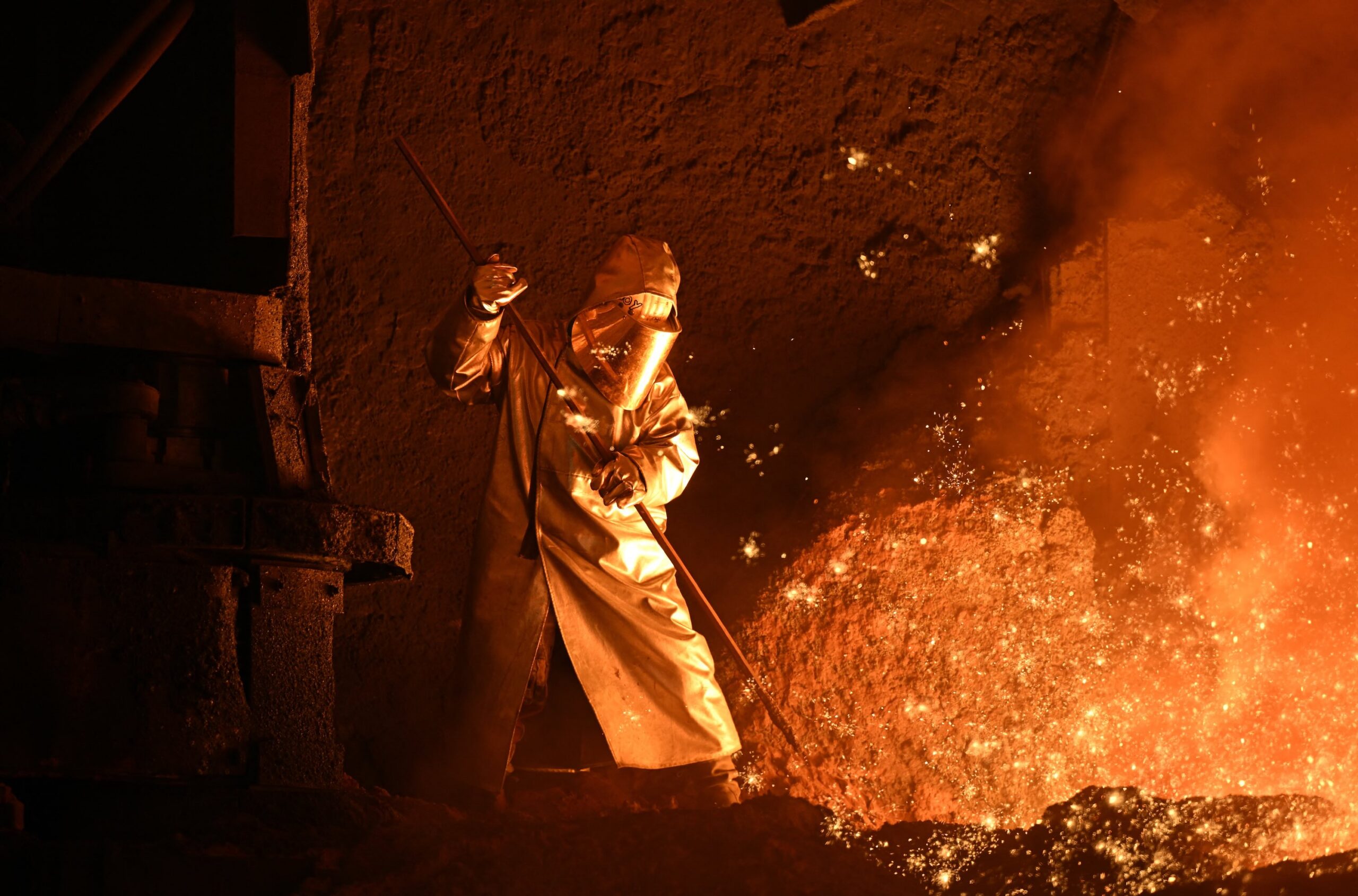
Blast furnaces use coke, a processed form of coal, to help turn iron ore into iron. The process produces carbon dioxide, which is usually released into the atmosphere. Helix’s electrolyzer uses electricity and a catalyst to separate oxygen from carbon dioxide, producing carbon monoxide that can be fed back into the furnace. CEO and co-founder David Brown told TechCrunch that the design can handle the furnace’s full exhaust stream, unlike many electrolyzers that require purified, concentrated carbon dioxide.
Using recycled carbon monoxide can reduce coke consumption, but the potential reduction is uncertain. Brown said studies range from 30% to 40% to as much as 90%. Helix proposes that producers begin by replacing 33% of their coke. The company says that could save $14 per ton of iron.
Brown said the iron industry’s margins are thin. Grand View Research puts the combined iron and steel market at $2 trillion. Because blast furnaces can operate for more than 100 years, the industry can be slow to change, Brown said. Helix plans to approach specialty chemicals companies first, using carbon dioxide from waste streams to make chemicals on site. The startup presented at TechCrunch Disrupt in San Francisco as part of its Startup Battlefield pitch competition.
Comments
0No comments yet. Be the first to comment.