

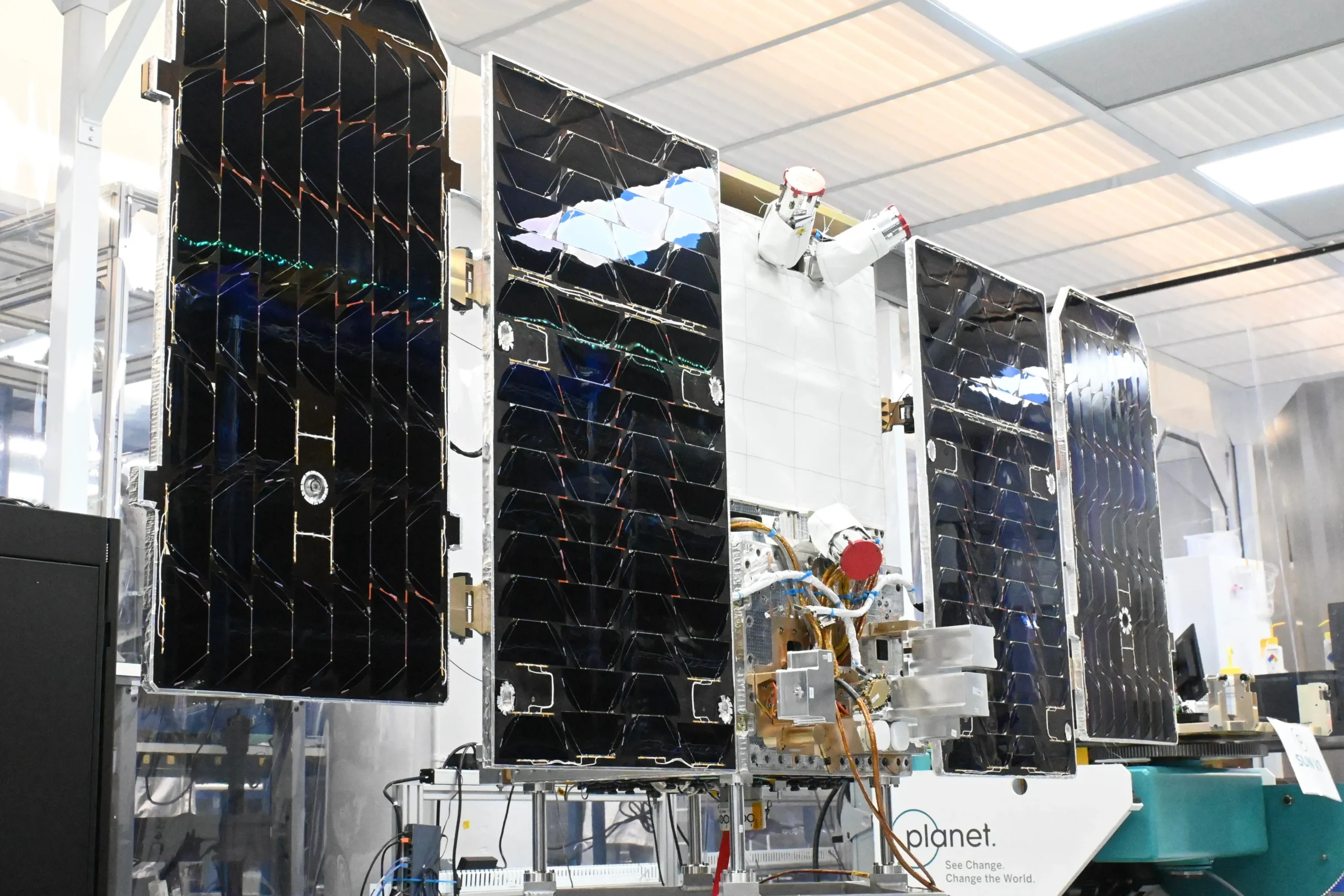
Google’s first Suncatcher data center satellite is online and communicating with the ground, TechCrunch reports. It launched earlier this month with more than 100 other spacecraft aboard a SpaceX Falcon 9 rocket.
The prototype carries a single Google Tensor Processing Unit (TPU) and can generate up to 1 kW of electricity. Google aims to use it to develop networks of satellites that fly close together and handle large inference workloads in orbit. The TPU’s power needs mean it can run for only about 20 minutes at a time, complicating communications between the satellite and Earth.
After about three weeks of commissioning tests, engineers sent the satellite’s pre-loaded Google DeepMind Gemma 4 model a prompt to write a haiku about space. Google also asked the spacecraft to report its orbital conditions. A spokesperson told TechCrunch that the satellite was operating nominally.
The ongoing tests will examine how the chip handles thermal stress and space radiation. Radiation can cause memory bit flips that corrupt data without triggering typical monitoring tools. Ground tests suggested radiation would have a minimal effect on inference workloads and a greater impact on model training; the in-orbit campaign will assess those effects in practice.
If the TPU performs well, Google plans to launch two more satellites with advanced chips in 2027. They are intended to support higher power generation and demonstrate optical links between satellites.
Comments
0No comments yet. Be the first to comment.