

ChatGPT can now generate interactive flashcards on demand from a topic or documents a user uploads. The decks save automatically in the ChatGPT Library, where users can return to them later.
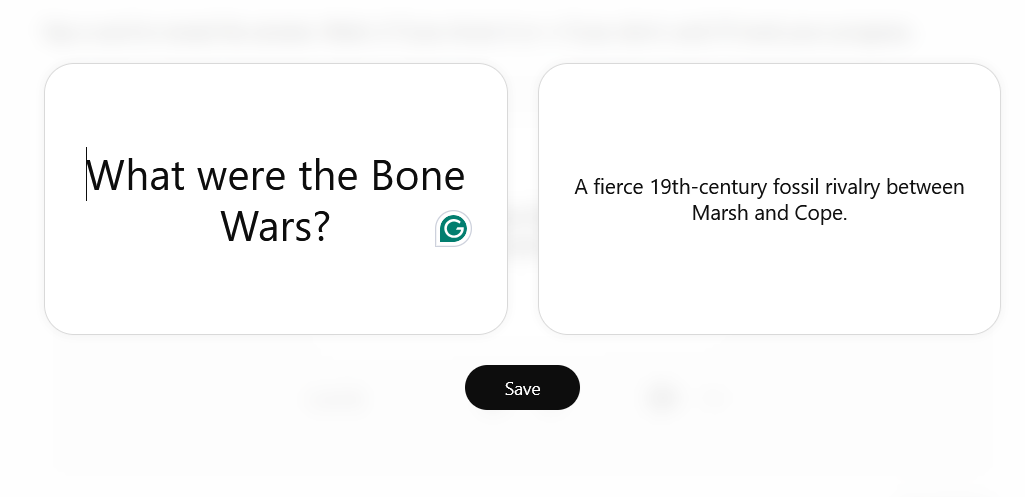
In a TechRadar test, Eric Hal Schwartz asked for cards about dinosaurs and paleontology. A deck starts with 10 cards, and asking for more increases the count to 30, then 50, and so on. Users see one question at a time, reveal its answer by clicking the card, and mark whether they got it right. They can also edit cards, shuffle the deck, and ask ChatGPT to add or revise cards in the conversation.
The reviewer found that answering individual questions encouraged active recall. ChatGPT tracks progress so missed cards can be practiced again, and displayed brief fireworks after a complete round of correct answers. Schwartz also tested cards generated from uploaded paleontology histories, which ChatGPT turned into short question-and-answer pairs. He said this was faster than creating cards manually, while cautioning that users should check generated decks, especially for technical subjects where wording matters.
ChatGPT’s convenience is its main advantage over alternatives such as Quizlet, Knowt, and Gizmo, according to the review. Users can create cards within an existing conversation without switching services. Schwartz sees flashcards as useful for learning and reinforcing information, while ChatGPT’s interactive quizzes are better for checking what a user remembers. He suggests treating the first deck as a draft and specifying a desired difficulty or areas to emphasize.
Comments
0No comments yet. Be the first to comment.