

Startup Everbloom’s renoa has been approved by the U.S. Federal Trade Commission as the first new fiber classification in 25 years. The FTC regulates fiber labeling in the United States.
Renoa is made from waste proteins, including cashmere and wool scraps, as well as down and feather lint left over from the bedding industry. Everbloom processes the waste into a powder, blends it with a biodegradable biopolymer, then extrudes the mix to mimic the length and diameter of specific natural fibers. The company has spent three years developing renoa and is scaling up production.
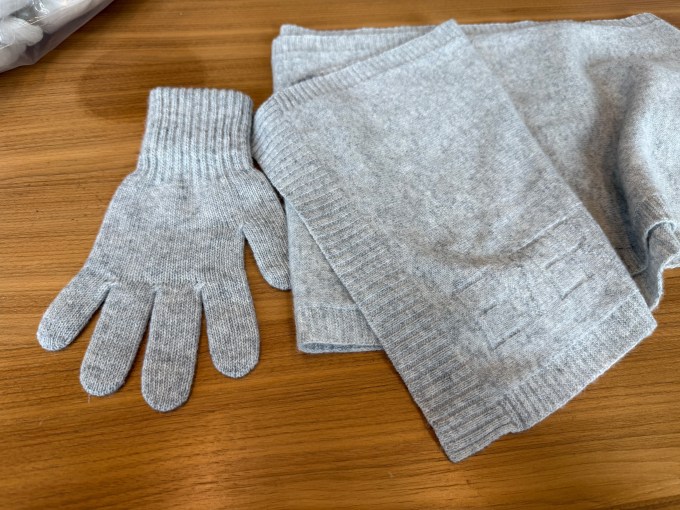
Co-founder and CEO Sim Gulati showed TechCrunch a crewneck sweater, knit gloves and a scarf made with the material. Reporter Tim De Chant said the sweater and gloves felt soft and light. Gulati had worn and washed the scarf for months, including putting it through a tumble dryer. De Chant reported that it had not pilled; Gulati said it had not shrunk.
Everbloom is working with companies to include renoa in consumer products. Early products are likely to use it as a blend, for example making up around 20% of a cashmere sweater. De Chant said the 80/20 cashmere-renoa blend he felt was extremely close to cashmere. Gulati said commercial finishing could eliminate any differences while preserving washability and stability. The first product is expected to reach the market in the second quarter of 2027, Gulati said.
Everbloom also developed its own AI model for materials science. A cashmere substitute is the startup’s first product.
Comments
0No comments yet. Be the first to comment.