

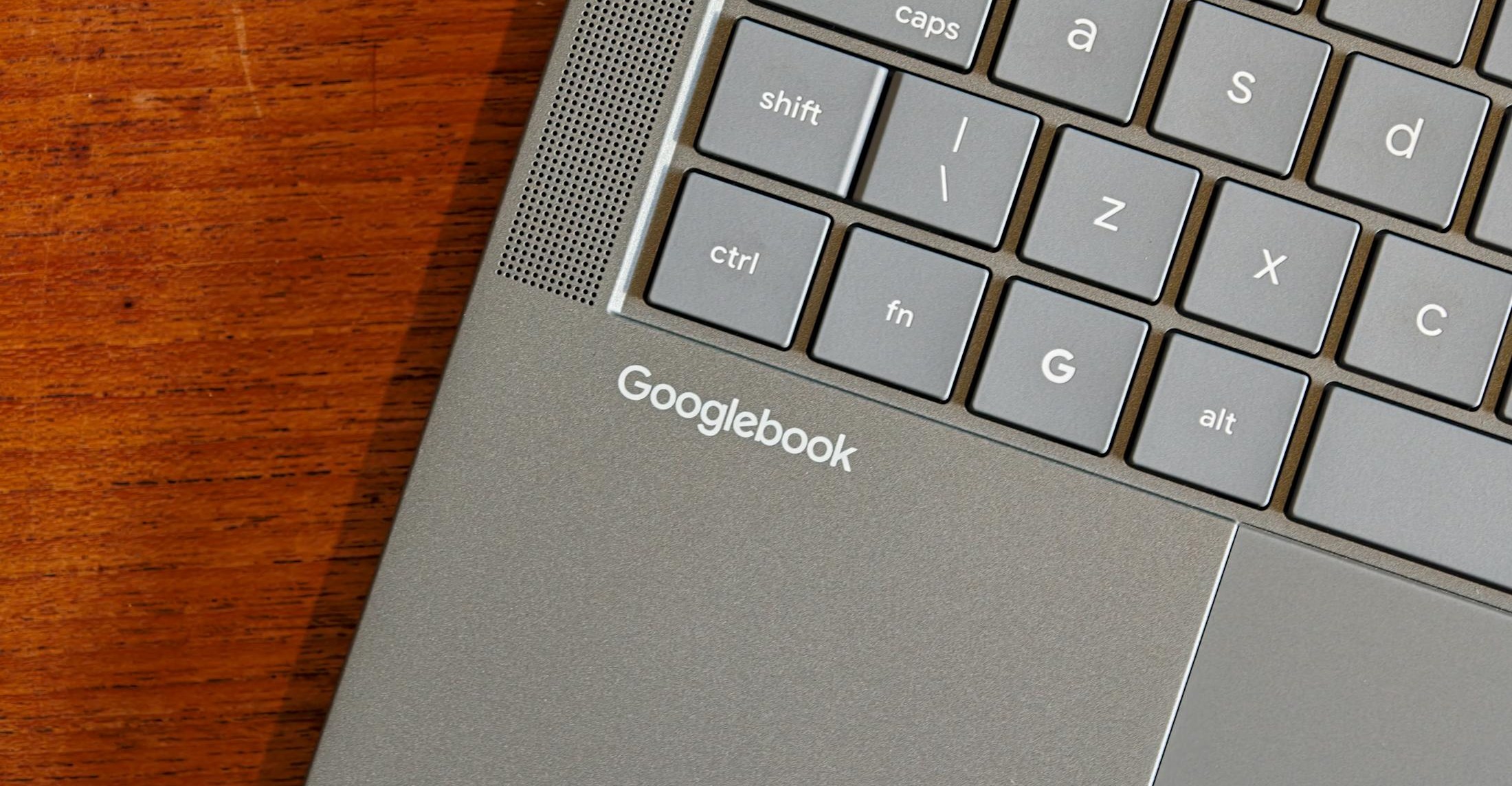
In his first week with Googlebooks, The Verge’s Dominic Preston found that Android powers both the laptops’ most appealing features and their most frustrating problems. He has gradually warmed to the devices, but says the experience still falls short.
Setup takes a few minutes and can transfer apps and backups from a phone. Afterward, though, connecting the devices can be unreliable. Preston says pairing his Asus and HP Googlebooks required changing settings on both devices and restarting them. Moving to a new Wi-Fi network caused more connection problems; file sharing and app casting also depend on the devices sharing Wi-Fi, with Bluetooth enabled.
Some Android apps work well on a laptop. Preston highlights compact desktop versions and the ability to download HBO Max or Netflix shows for offline viewing. Many others are awkward: he describes Slack’s mobile app as unworkable on a desktop, and says Adobe’s Android apps lack much of their desktop functionality. Apps labeled “Optimized for desktop” may offer limited mouse and keyboard support, while he has seen the “Made for desktop” Play Store label on only a handful of apps.
Google’s Chrome app also lacks features Preston uses on his MacBook, including profile switching, split-view tabs, and custom search shortcuts. He says Bluesky and the Okta login tool could not be installed from the Play Store on either laptop, including the Arm-based HP model. Preston’s assessment is that Googlebooks’ prospects depend heavily on Android, which is both their main draw and a source of significant limitations.
Comments
0No comments yet. Be the first to comment.