

Drone technology has advanced rapidly over the last five years, supporting sports coverage, wildfire tracking and deliveries while also expanding its use as a warfighting tool. High-precision first-person view (FPV) drones have been used in targeted strikes in war zones.
TechRadar spoke with Saleel Awsare, president and CEO of Lantronix, about the tariffs and their effect on suppliers. China’s DJI holds an 80% global drone market share, according to the source, increasing concerns about supply disruption, rising costs and malicious software.
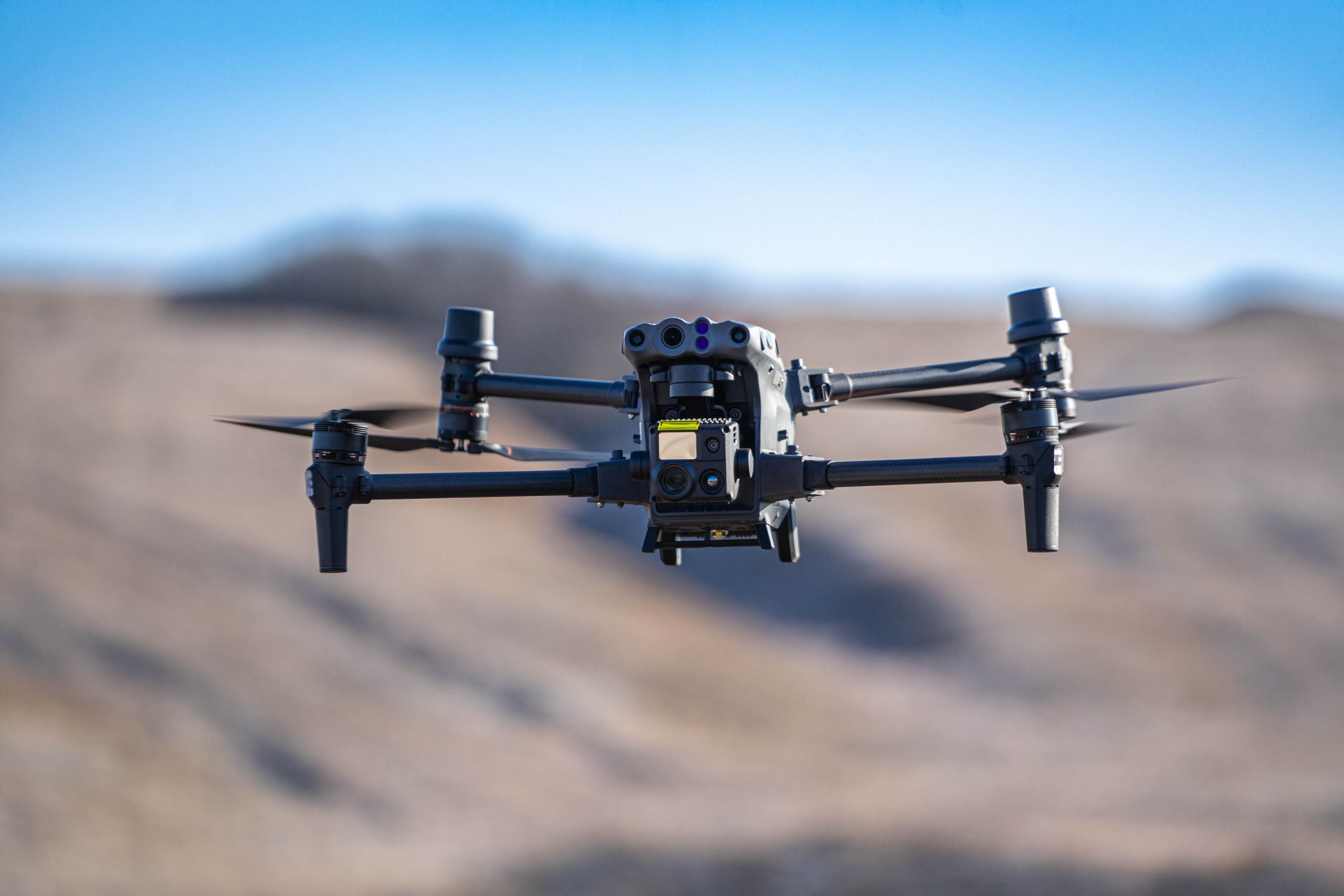
The new tariffs impose 100% on drones over 25 kilograms or with thermal-imaging capabilities. Smaller drones without certain capabilities that particularly implicate national security face 25%, and the 25% rate also applies to components. Drones and components from the European Union, Japan, Liechtenstein, the Republic of Korea, Switzerland and Taiwan face 15%, while the United Kingdom faces 10%.
Awsare said the changes could push the market toward more regionalized and trusted sourcing. Consumer and commercial products may face the biggest short-term pressure because they rely on foreign motors, batteries, cameras and electronics. He said longer-term effects could include more US and allied manufacturing, while Lantronix plans to bring System-on-Module production to its Plymouth, Minnesota facility. He also warned that localization requirements could create international friction.
Comments
0No comments yet. Be the first to comment.