

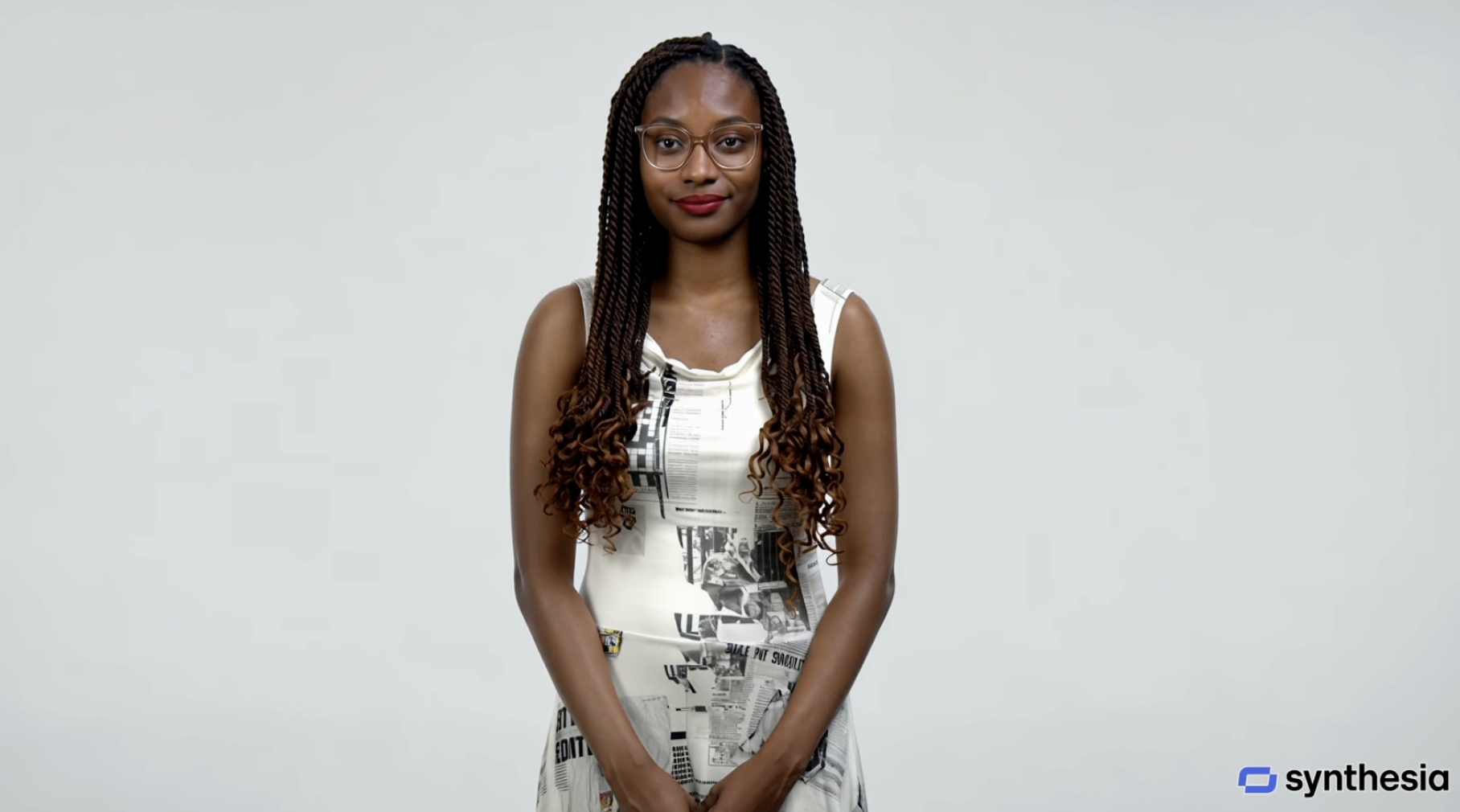
TechCrunch reporter Dominic-Madori Davis tested an interactive digital avatar created for her by Synthesia, a startup that makes AI avatar products. Davis says the avatar was trained on her story about why venture-backed startups commit more fraud than startups without venture capital backing. It was designed to answer questions only about that story.
To create the avatars, Davis had photos taken and recorded a two-minute voice sample at Synthesia’s New York office. The team made personal avatars that read a supplied script, as well as interactive versions that listen and respond. Davis says the work took a couple of days.
The interactive avatar uses voice-to-text, language, text-to-voice and video models. Synthesia’s video and voice models power Davis’s avatar, while the company also lets customers choose models from providers including Cartesia, ElevenLabs, Google and OpenAI. Customers can host avatars on their own cloud or pay Synthesia to host them.
Davis found the generated voice fairly accurate, but said friends thought the interactive avatar sounded less like her and looked less like her than the personal avatar. When asked questions outside its training story, it redirected people back to that subject.
The experience prompted Davis to consider whether avatars could augment or replace journalists. She argues that trust is central to journalism and questions whether it can be outsourced to AI. Synthesia also offers video creation and distribution, interactive Sessions for surveys and roleplay, and an API platform.
Comments
0No comments yet. Be the first to comment.