

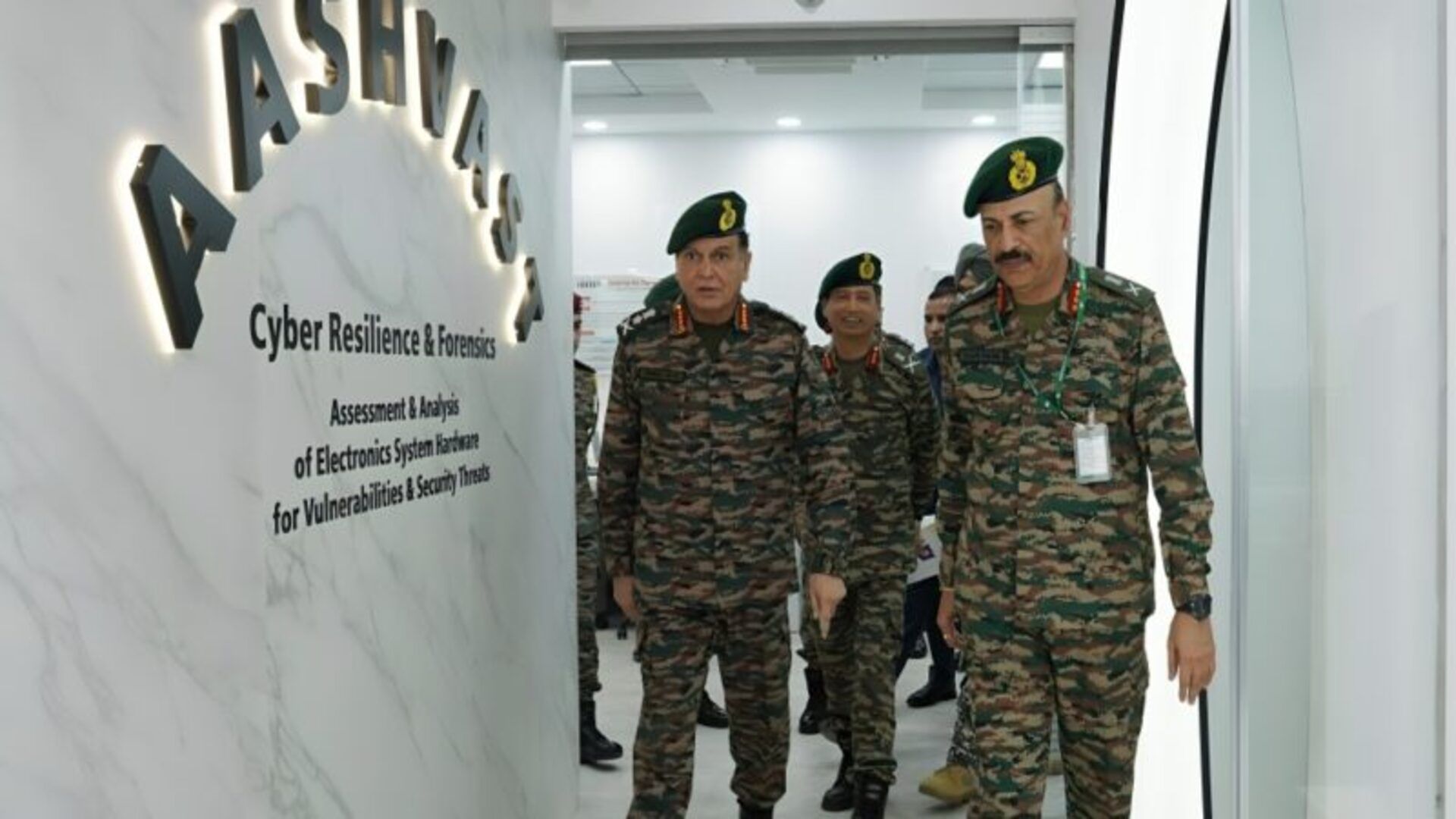
The Indian Army has opened AASHVAST, an offline laboratory in New Delhi for inspecting military drones for hidden software flaws, unauthorized parts and security risks.
The Assessment and Analysis of Electronic Systems Hardware for Vulnerabilities and Security Threats facility checks whether a drone’s components match its documentation. Investigators pay particular attention to circuitry and chips that may have come from Chinese suppliers instead of approved manufacturers listed in procurement records.
Technicians inspect onboard controllers and camera units for concealed passwords, secret command pathways and embedded encryption keys. They also check for altered flight-control limits, tools that could enable remote command, and updates restricted to the original manufacturer. Navigation is tested against jamming and spoofing signals.
The process runs without an internet connection. Data from the tested drone cannot be copied to external systems, and its software is not altered during examination. Vulnerabilities are ranked by severity and compiled into one report for the testing technician and approving officer.
AASHVAST uses a software suite built by Noida-based UAV company QuickPay Tech. General Dhiraj Seth formally inaugurated the laboratory at Delhi Cantonment. Officials say it should strengthen cyber defenses and support domestic defense electronics. Analysts note that checking hardware origin is only one part of assessing a drone’s airworthiness, and the effect on reliance on foreign-sourced components remains uncertain.
Comments
0No comments yet. Be the first to comment.