

USB hubs and docking stations both add connectivity to a computer, but they differ in the ports they offer, power, performance, display support, portability and price, according to TechRadar’s Stefan Ionescu.
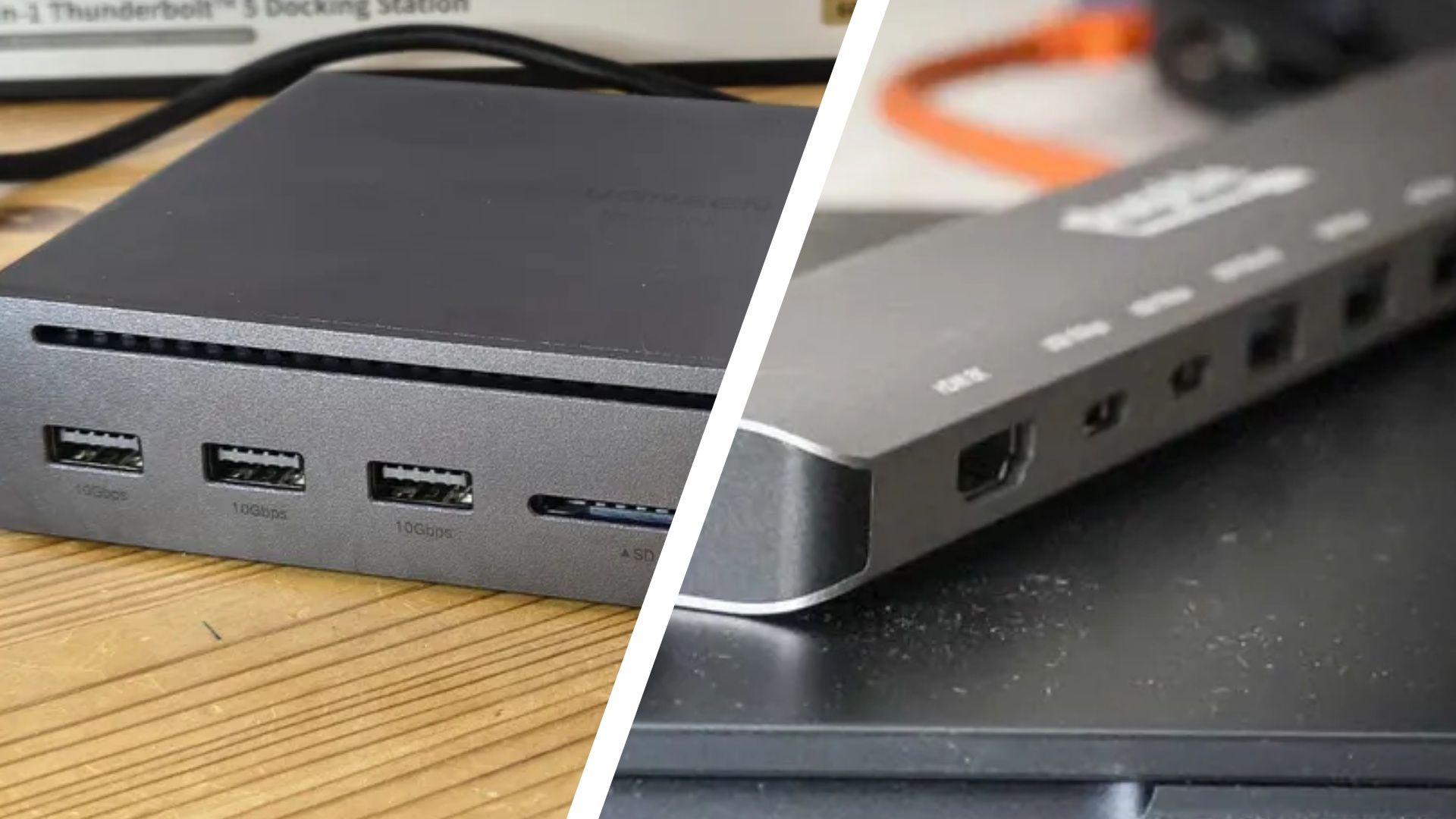
A USB hub adds USB ports, while a docking station can also provide connections such as HDMI and Ethernet. Hubs are typically smaller and lighter for travel. Docking stations are bulkier and generally use a dedicated power supply; hubs usually draw power from the computer, though some have their own power supply. Ionescu says docking stations charge devices faster, while externally powered hubs can also charge connected devices.
The article gives typical USB hub prices of $30 to $50, with advanced models offering 10 or more ports priced at $50 to $80. It says good docking stations cost more than $100. Ionescu also reports data transfer rates of up to 10 GB per second for an average docking station and up to 5 GB per second for USB hubs; some docking stations reach 40 GB per second.
For displays, the article says USB hubs can support two additional monitors, bringing a setup to three in total. Docking stations can add up to three monitors, for four total, and support up to 8K output; hubs are limited to 4K. The article characterizes hubs as more portable and affordable for casual use, while docking stations offer more connection types and are suited to professional use.
Comments
0No comments yet. Be the first to comment.