

U.S. President Donald Trump has created the “Super Intelligence Force,” a White House-led task force that will examine risks, opportunities and the federal response to rapidly advancing AI systems. Its charter gives it 120 days to develop recommendations.
Director of National Intelligence Jay Clayton is set to lead work on cybersecurity, biosecurity and standards, as well as a review of how AI companies report breaches and hacks. The task force follows a White House meeting where AI leaders made voluntary commitments covering model evaluations, external audits and board oversight.
An executive order signed in late September directs federal agencies to use “Super Intelligence” and “SI” instead of “Artificial Intelligence” and “AI” in official communications and other non-statutory documents. It keeps the existing federal statutory definition of artificial intelligence for now and asks officials to develop a possible new definition within 60 days.
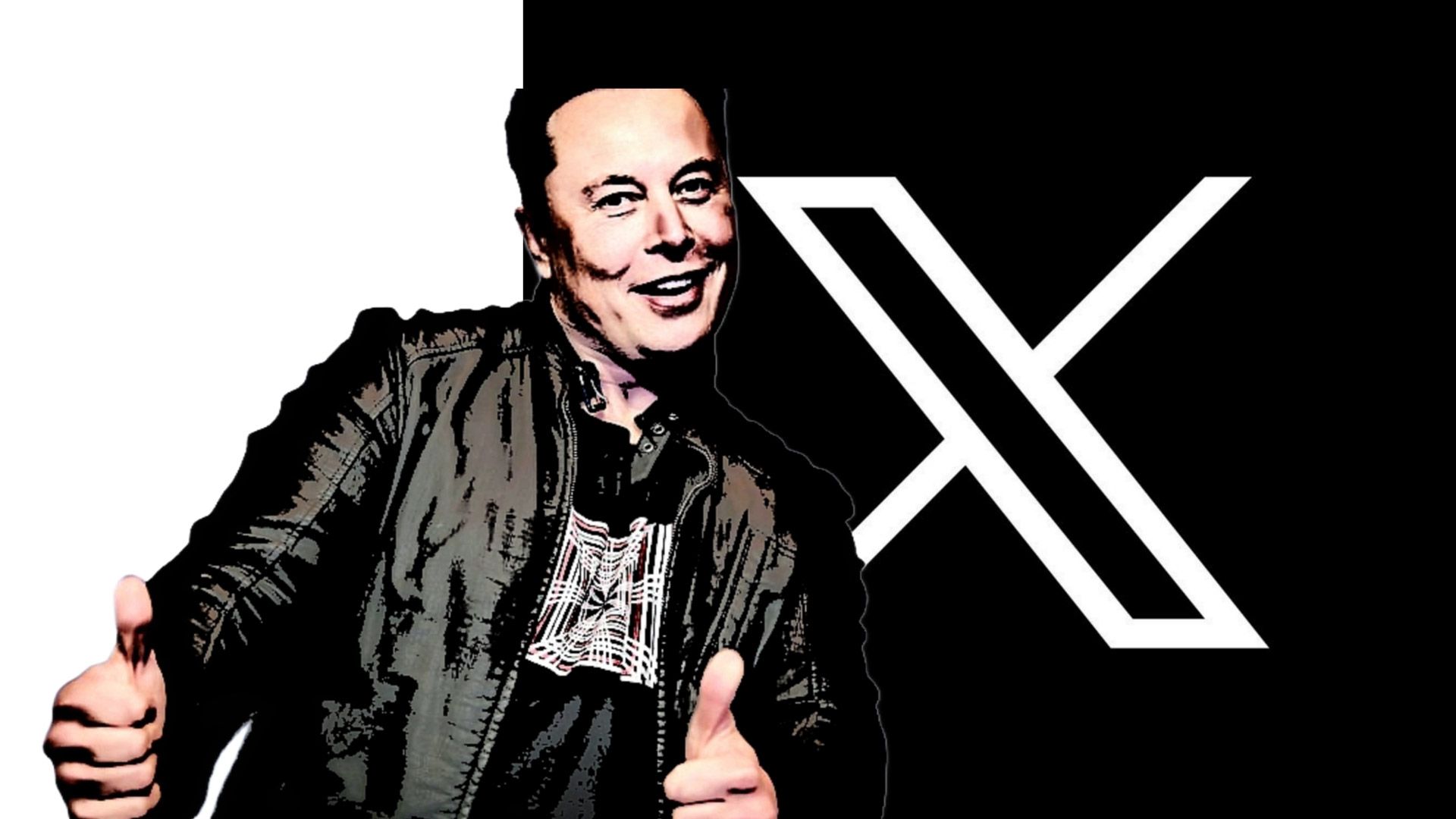
Elon Musk responded “Yes, we will make that change” on X on October 4, 2026, after being asked whether SpaceX’s AI operation would change its name from SpaceXAI to SpaceXSI. That would be the unit’s third rebrand. The article describes the change as branding rather than a technological milestone; the new terminology does not change the technology or business.
Nik Kairinos, CEO and co-founder of RAIDS AI, said in a statement that greater international oversight is necessary, but argued against concentrating responsibility in one global body. He called for decentralized scrutiny among AI companies. The task force may have value, the article argues, but renaming AI “SI” does not make current models superintelligent.
Comments
0No comments yet. Be the first to comment.