

German startup TimeTeller has developed an at-home saliva test intended to help people understand their circadian rhythms. The company’s longer-term goal is to use this information to help identify when cancer treatments may be better tolerated and most effective. Its direct-to-consumer test cannot determine that for patients on its own.
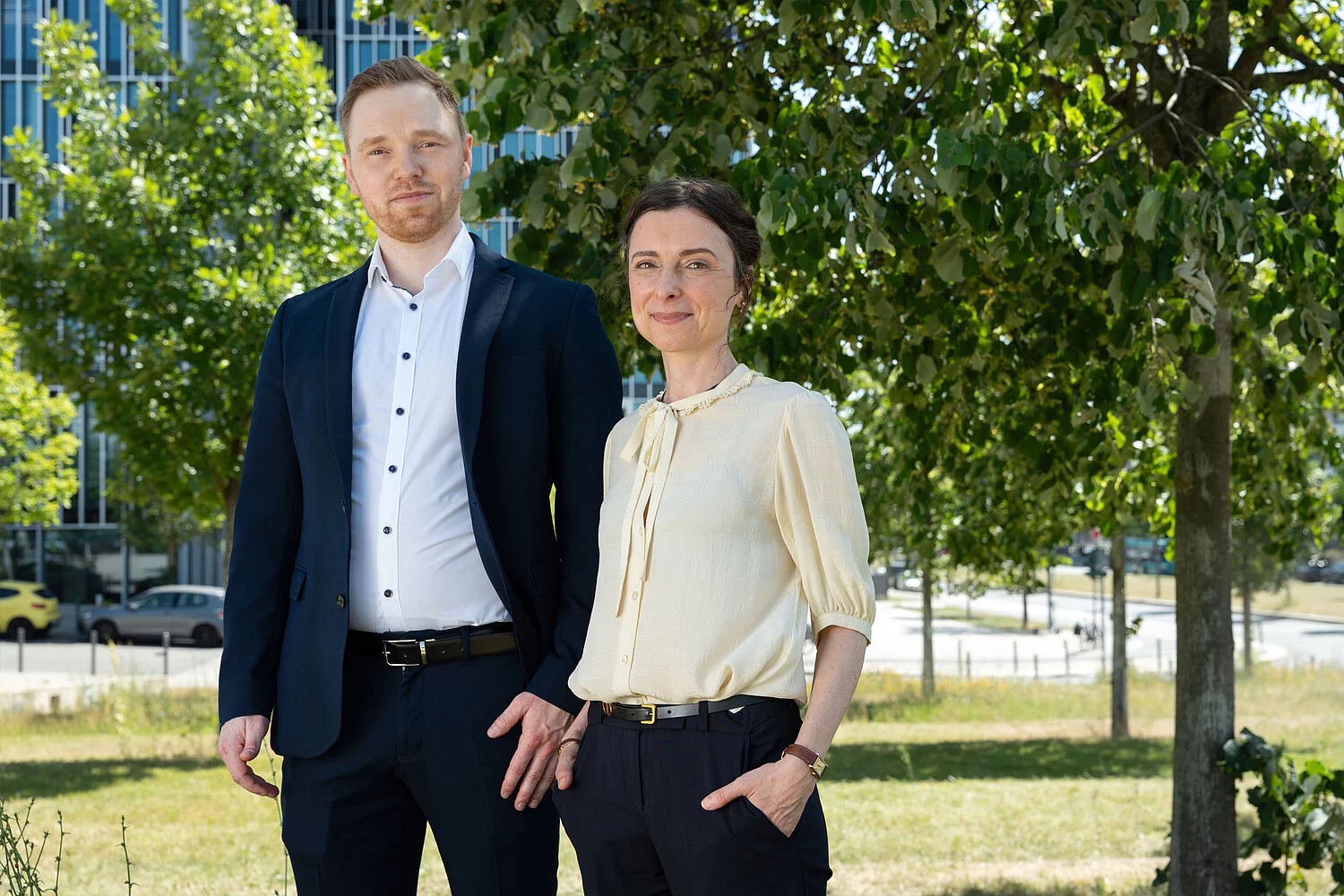
CEO Angela Relógio said calculations need to be made for each medicine in clinical studies. She said TimeTeller began accepting direct orders in response to demand from longevity clinics, which use circadian rhythm data to offer personalized guidance on sleep, nutrition, light exposure and physical activity.
Cancer remains the company’s core mission, though Relógio said the approach could also apply to metabolic and neurodegenerative diseases, performance and women’s health. She said her observations of cancer patients stopping or starting treatment because of side effects helped lead her to develop the test. Relógio personally funded the company’s first patent, she said.
TimeTeller spun out of Berlin’s Charité university hospital and later moved to Medical School Hamburg. The startup, which has a team of 10, partnered with German health insurer Techniker Krankenkasse. The insurer initially reimbursed test costs for a subset of cancer patients. Relógio said the partners are ready to expand the arrangement to more of the insurer’s 12 million members.
Comments
0No comments yet. Be the first to comment.