

Uncrewed vessels and underwater robots are increasingly taking on the dangerous task of finding sea mines, as conflict in the Gulf puts autonomous mine-hunting systems to the test.
Specialist mine-hunting ships have traditionally carried crews of around 80 sailors. Newer systems can be monitored from shore by teams of about 20 people working in shifts. The technology has been developing for 20 years: during the 2003 Iraq war, the US Navy used a torpedo-shaped Remus 100 robot to search the seabed with sonar at depths of around 100ft.
The latest Gulf conflict has brought more capable systems into view. In early September, Iranian forces recovered a US autonomous underwater vehicle from the Strait of Hormuz. The Pentagon said it was an older, malfunctioning Extra Large Uncrewed Underwater Vehicle (XLUUV) made by Anduril, with no classified equipment on board. No sailors were put at risk, a key rationale for using uncrewed vessels.
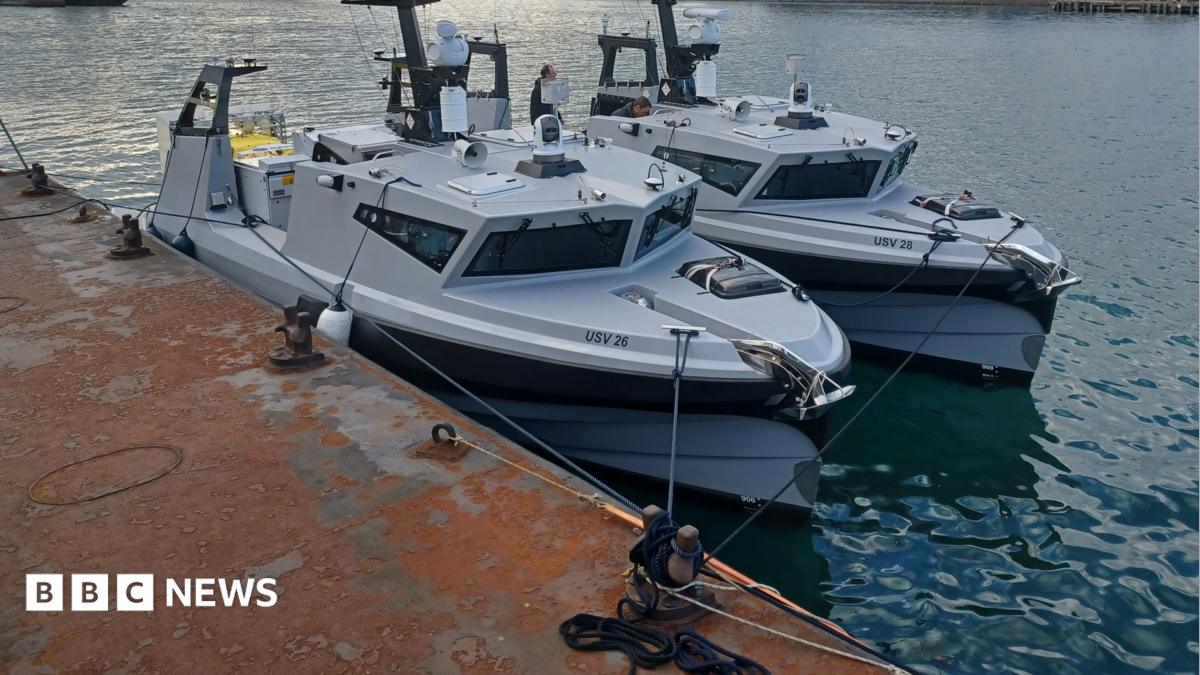
Thales, the Royal Navy and France's Marine Nationale have developed an uncrewed motor launch equipped with sensors. It uses sonar to detect mines and tows a 5m-long device that scans the seabed, producing a 3D image refined by AI. Software looks for objects resembling mines, which are designed to blend into their surroundings.
Robotic systems can reduce the danger, but they cannot prove that an area is mine-free. Insurer Neil Roberts said the US reports clearing the Omani route and believes the threat is being managed, with shipments at about 75% of pre-conflict levels. The number of mines, if any, remains uncertain.
Comments
0No comments yet. Be the first to comment.