

OpenAI will add an invisible watermark to text generated by ChatGPT and Codex in the European Union, the company said in a blog post. The rollout is planned over the coming weeks for eligible users on all plans in the EU. OpenAI said it will not make text watermarking a global default at launch.
Developers using OpenAI’s API anywhere in the world can enable the watermark for select models starting today; it is off by default. The EU AI Act transparency rules took effect on August 2 and require AI companies to mark AI-generated content so other systems can identify it.
The watermark is not a visible symbol. Instead, it subtly shapes word choices to create a pattern that a detector can identify. OpenAI said it does not identify users and that enabling it caused no meaningful change in model performance. The company also published a technical report on its method, called textGrain, co-written with researchers from the University of Pennsylvania and Yale.
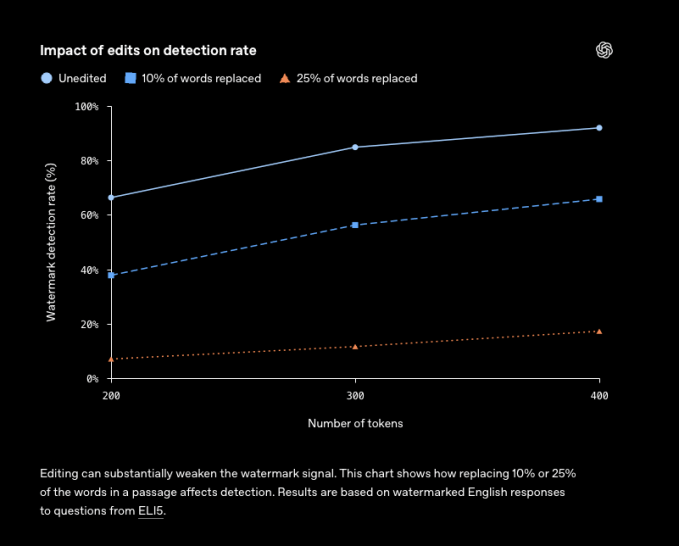
OpenAI’s tests found that editing can weaken detection: replacing 10% of words with synonyms reduced detection from about 92% to 66%. The company said short passages, math answers and translated text are also harder to detect. It cautioned that the absence of a watermark does not prove human authorship, and that a watermark can indicate OpenAI generated or processed part of a passage without showing how much human judgment or editing it involved.
OpenAI said initial detector access will go only to approved researchers and expert organizations to help evaluate reliability and responsible use.
Comments
0No comments yet. Be the first to comment.