

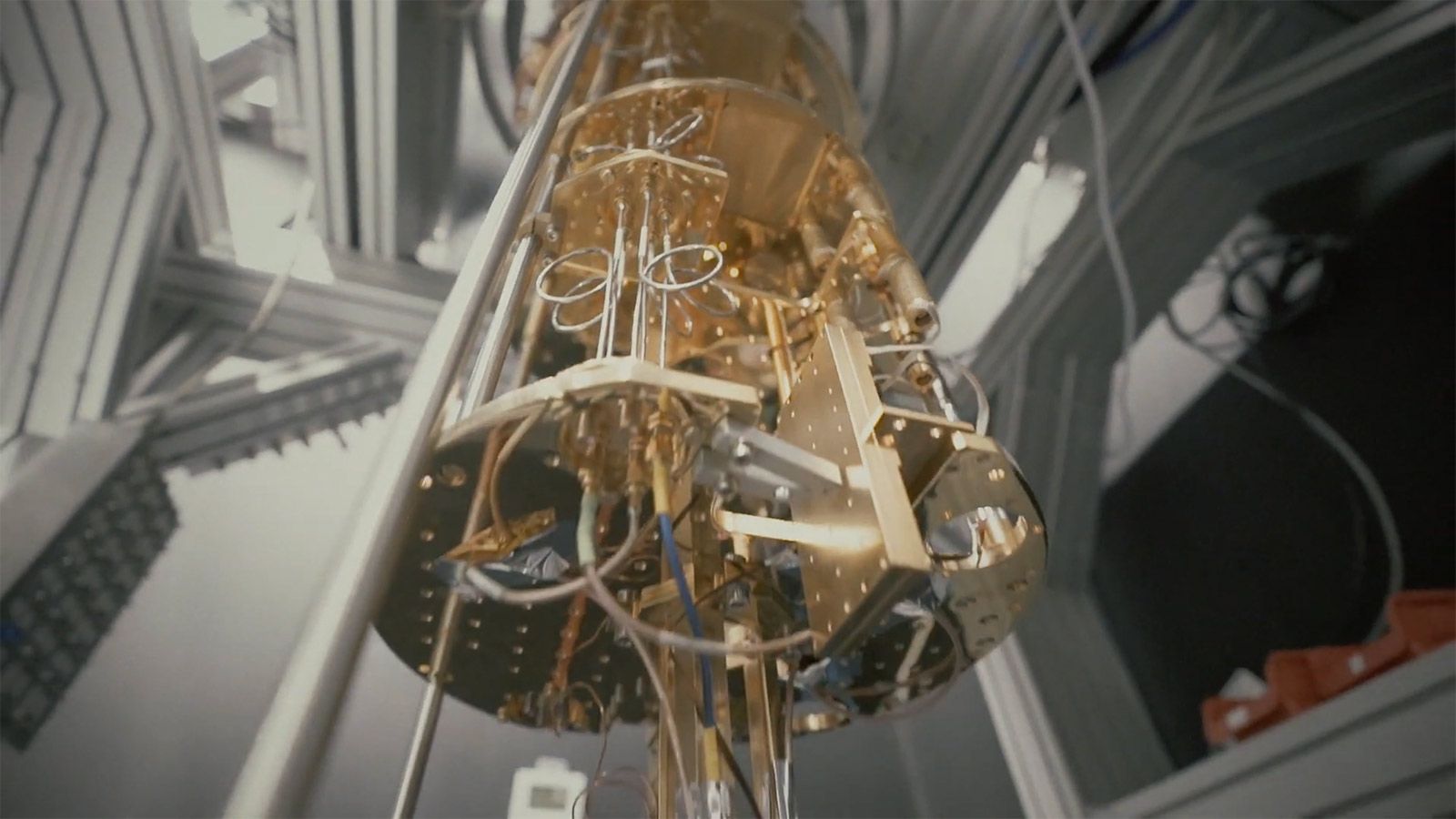
NEC has reportedly stopped building physical quantum computers after nearly 30 years of research into superconducting circuits and solid-state qubit technology. The Japanese company is expected to focus on quantum applications while avoiding the costs of developing physical machines.
Several engineers connected to the initiative moved to Fujitsu. NEC once ranked first worldwide in semiconductor sales in 1990, but its retreat from chips unfolded gradually. In 1999, it moved its DRAM operations into a joint venture later renamed Elpida. In November 2002, NEC spun off its remaining chip units into a new company that later became Renesas Electronics.
NEC researchers produced the earliest known solid-state qubit in a 1999 breakthrough. Variants of that work now underpin quantum processors built separately by Google and IBM. Unlike NEC, IBM remains committed to quantum hardware.
NEC has not formally called the move a complete withdrawal. It says it will continue assessing real-world uses and commercialization paths for quantum technology.
Fujitsu, working with Riken, has launched a quantum computer with 256 superconducting qubits. The company aims to build a system exceeding 1,000 qubits in 2026 and machines with over 10,000 superconducting qubits before fiscal 2030.
Comments
0No comments yet. Be the first to comment.