

Some recent graduates are spending much of their working day managing AI agents, while companies rethink what entry-level roles should involve. Their work can bring more responsibility early in their careers, but raises questions about whether they have enough time to learn their chosen professions.
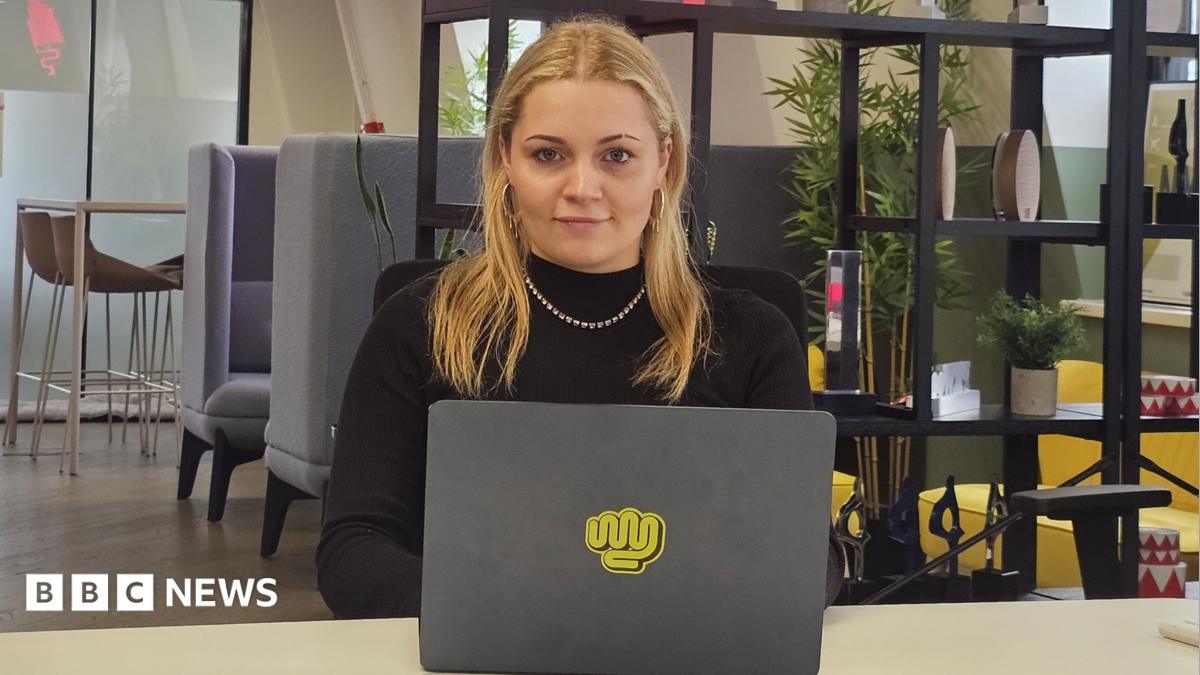
Lotte Underwood, 25, joined London PR agency Fight or Flight last November as an “AI associate” after studying marketing. She helps manage a team that has built around 30 AI agents for tasks including research, client reporting and image generation. She checks their output and tracks how clients appear in responses from tools such as ChatGPT, Claude and Gemini. Underwood says she still wants the chance to pitch directly to the media.
At engineering software company Stride, graduate Dillan Patel, 24, moved from an internship to an AI automation analyst role. He develops internal agents and identifies repetitive work that could be automated. Consultancy Valliance employee Cian Clinton, 23, says he uses around 10 agents daily and has taken on work that might previously have taken four or five years to reach.
PwC’s 2026 AI Jobs Barometer analysed 2.4 million US entry-level jobs. It found that roles most influenced by AI were seven times more likely to require traditionally senior skills. Those higher-expectation roles grew 35% since 2019, while other entry-level roles shrank 10%.
Some employers are emphasizing professional training alongside AI. Portman Finance Group’s two-year graduate programme rotates graduates across four areas at six-month intervals, with work alongside senior relationship managers. Underwood also says she plans to develop traditional PR skills.
Comments
0No comments yet. Be the first to comment.