

Google researcher Pietro Miotti says he used 48 AI agents to identify a potential unmapped Maya archaeological site in Mexico. The site has not been confirmed as ancient Maya, and researchers are investigating the lead.
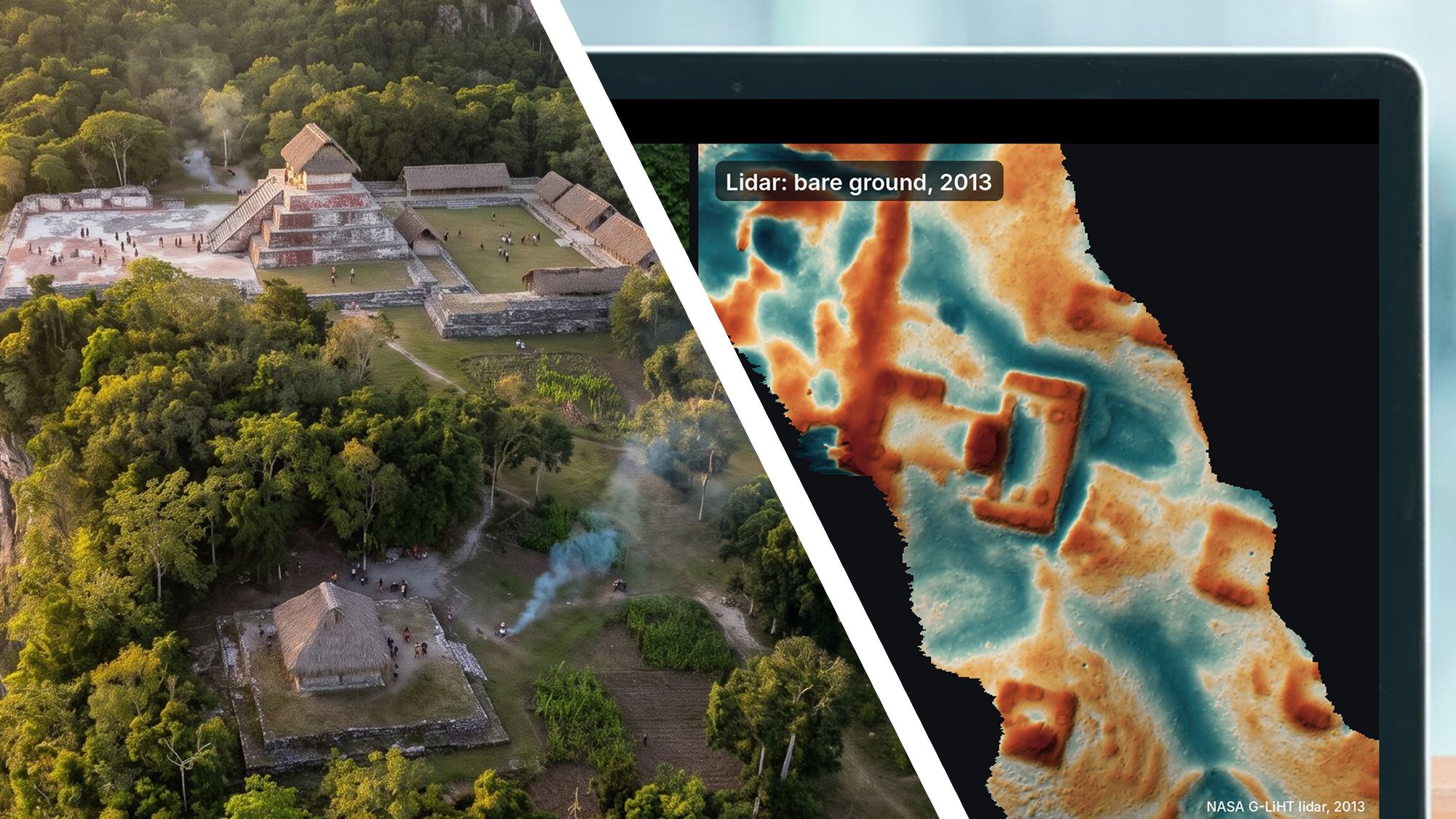
Miotti said the idea came to him while on vacation: he wondered whether AI agents could search LiDAR datasets for archaeological features. LiDAR uses laser measurements to map terrain, including areas obscured by forest canopies or cloud cover.
According to TechRadar, Miotti tasked agents from different AI apps with searching NASA LiDAR data collected across Peru. The agents flagged several possible structures, and a second scan identified one site that Miotti said had not appeared in scientific literature. The report does not explain how data collected across Peru led to a site described as being in Mexico.
Miotti said the agents also suggested contacting Mexico’s National Institute of Anthropology and History (INAH) and drafted an email in Spanish with details and a map location. INAH representatives responded, and experts there are investigating further. Miotti described the process as taking 72 hours, from his initial idea to a reply from the institute.
Miotti said he then used Gemini to generate an image of how the site may have looked in 700 CE. That depiction is an AI-generated interpretation, not confirmation of the site’s identity or appearance.
Comments
0No comments yet. Be the first to comment.