

California’s new Senate Bill 1246 requires autonomous vehicle companies to provide local support when their robotaxis cause problems, and allows penalties if a vehicle blocks police or firefighters for more than 30 minutes. Governor Gavin Newsom signed the law, which takes effect in July 2028.
The law requires companies to use remote drivers based in the United States who hold a U.S. driver’s license. It also requires them to notify local jurisdictions about vehicle locations and status during system-wide failures, and to provide local incident technicians to assist with crashes and obstructions.
The law distinguishes remote drivers, who directly operate a vehicle from afar, from remote assistance staff, who can guide a self-driving system or send software commands while it remains in control. Tesla has publicly said it has remote operators who can take direct control of its robotaxis. Waymo says it uses remote assistance; its staff network includes the Philippines, and it operates command centers in Arizona and Michigan. Zoox says its remote operations teams are based in the United States.
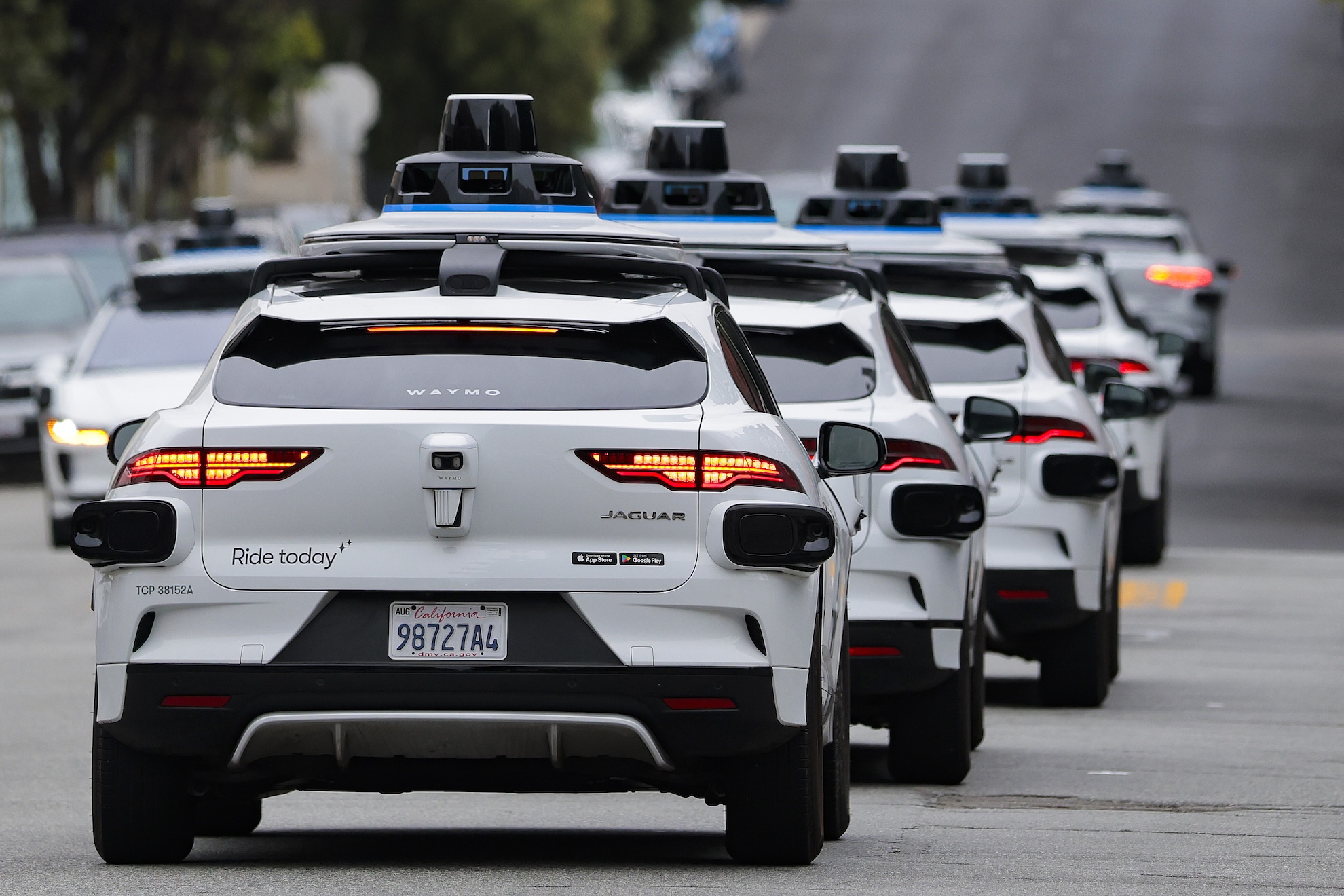
The measure follows incidents in California in which robotaxis broke down, disrupted traffic, entered crime scenes, or impeded emergency responders. The source reports that many involved Waymo, which had about 4,000 autonomous vehicles in its commercial fleet across the country, including about 1,200 in the San Francisco Bay Area.
Waymo and Zoox said they would comply. California’s Department of Motor Vehicles will set guidelines for parts of the law, including required response times.
Comments
0No comments yet. Be the first to comment.