

Cambridge Heavy Industries is developing a compact laser-based system that aims to produce tritium, a fuel used in nuclear fusion. The startup is operating in stealth mode from a lab attached to the Massachusetts Institute of Technology (MIT), according to TechRadar, which cites TechCrunch.
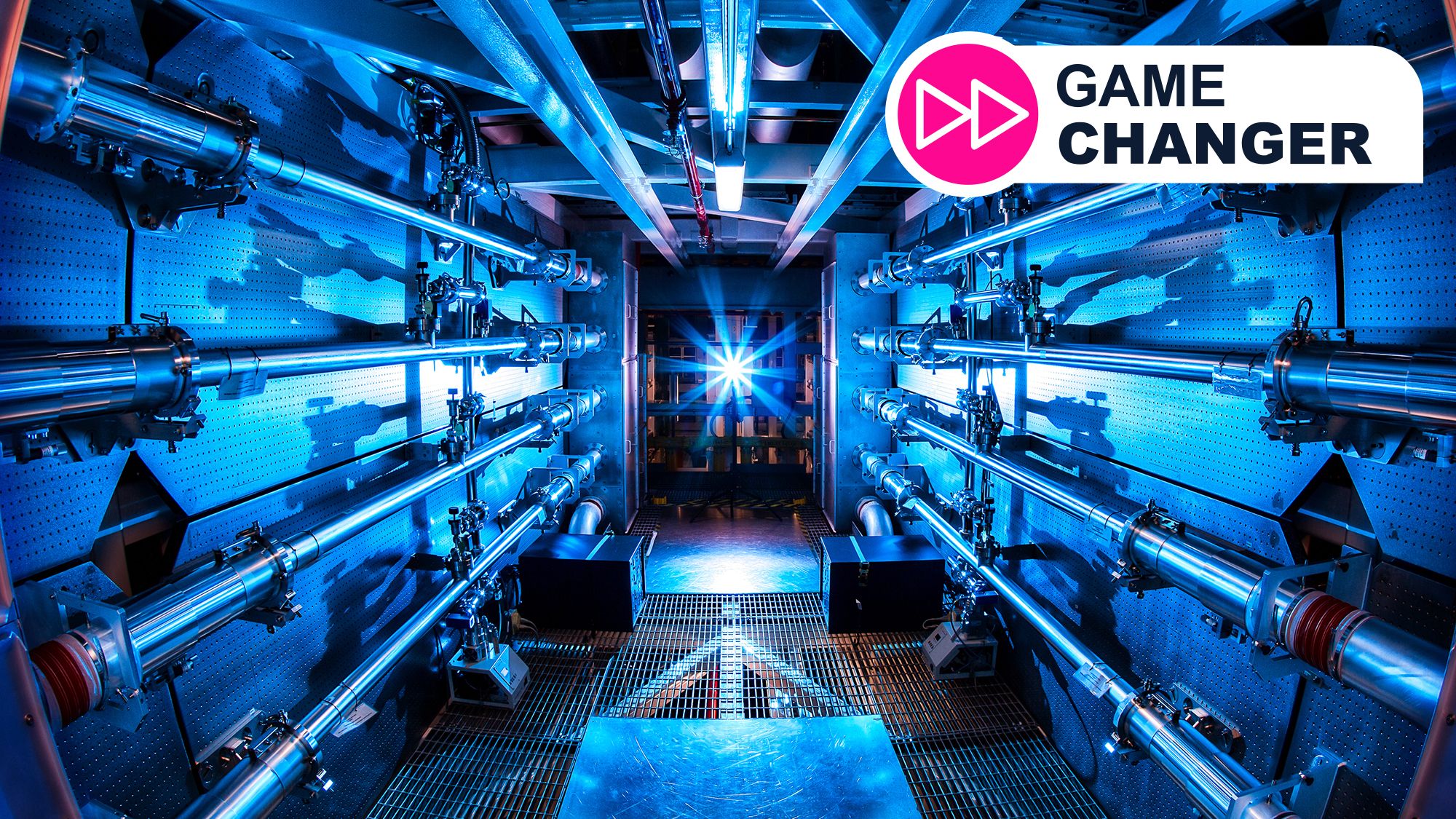
Co-founder and CEO Yun Kai describes the experimental device as “tiny” and “benchtop” sized. Its two-laser design uses the first laser to send concentric rings of light into a fuel block, creating inward-moving shock waves. A second laser targets the wave to create the pressure needed for ignition. The system is designed in 2D, unlike the National Ignition Facility (NIF) setup, which uses 192 lasers in 3D.
The company says the device can carry out 50–80 laser shots per day, compared with a handful at NIF. It is intended to support rapid experiments, but it is not currently a reactor and does not generate electricity. Its present focus is producing tritium, which is scarce and is mostly sourced from older nuclear fission plants being phased out.
A study cited by TechCrunch estimates the fusion industry could face a tritium shortfall of up to 28 kilograms by 2054. The article says that amount would be worth about $840 million at current prices. Cambridge Heavy Industries hopes its approach can help supply fuel ahead of fusion reactors, which are not expected to come online until the 2030s at the earliest.
Comments
0No comments yet. Be the first to comment.