

Ultrahuman has signed a two-year memorandum of understanding with the Abu Dhabi Public Health Center (ADPHC) to develop and clinically validate a biological-age model, the company announced Monday. It says the model is eventually intended to be available to people across the United Arab Emirates.
The system will combine clinical biomarkers with data from wearable devices to estimate how quickly a person is aging and identify factors such as sleep, activity, cardiovascular health and metabolism that may affect that process. Ultrahuman says it is designing the model to work with different wearables, including rings, wrist-worn devices, straps and patches. People are expected to access their health age through government digital-health platforms including TAMM and Sahatna.
CEO Mohit Kumar told TechCrunch that the model was developed using Ultrahuman’s existing data, including chronological ages, wearable signals and blood-test markers for some users. He said the model will not be trained on UAE data, and that Ultrahuman will not have access to personally identifiable information through the program. The company and ADPHC will spend the next two years on research and clinical validation; Kumar said rollout will happen in phases but gave no timeline.
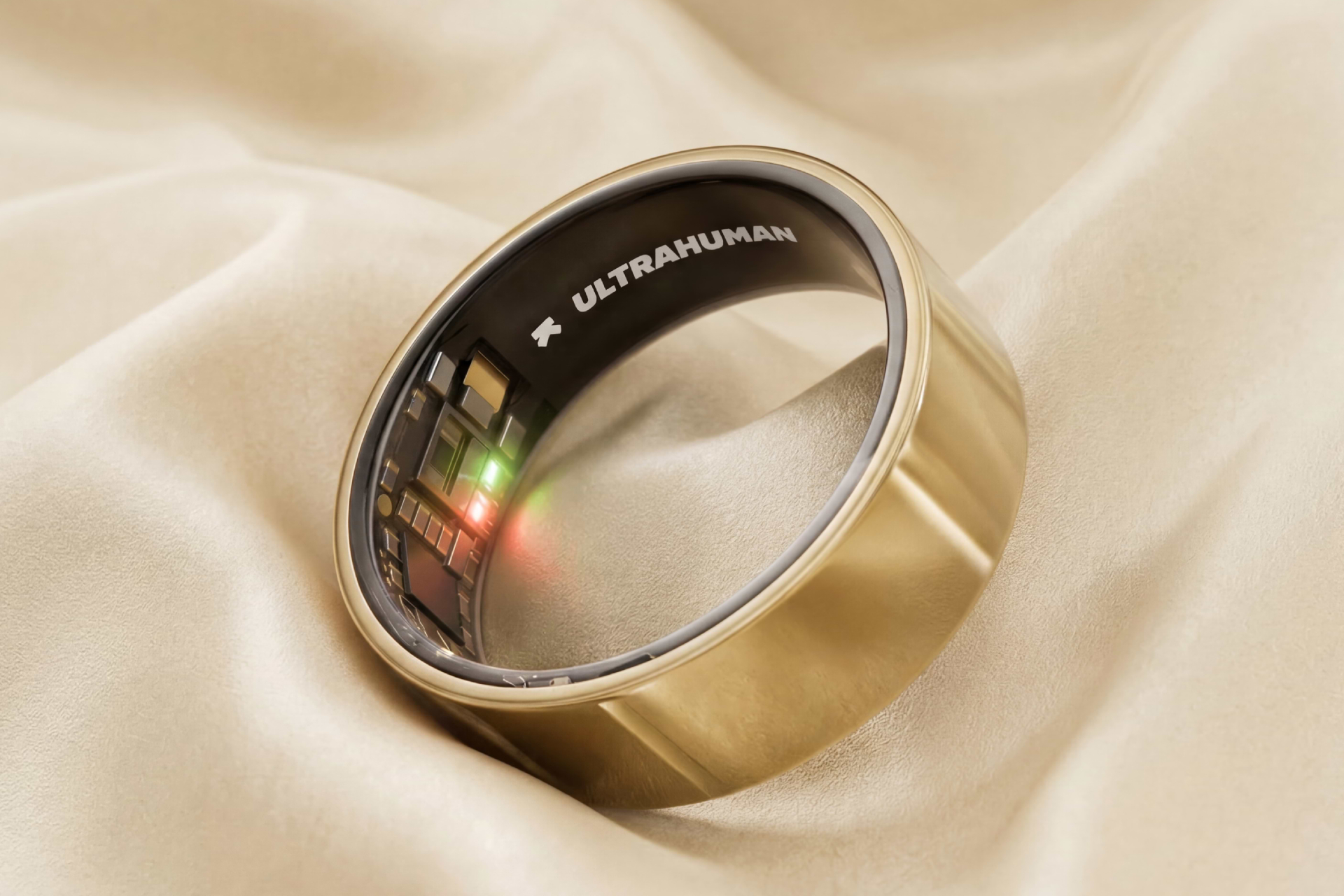
Ultrahuman has sold around 800,000 smart rings globally, Kumar said. He said the UAE accounts for about 4% to 5% of revenue and is among the company’s 10 largest markets. Ultrahuman has operated there for nearly five years and sees about 25% higher customer retention than in its other markets. Its typical users are between 25 and 43 years old. In May, Abu Dhabi’s Department of Health announced a separate preventive-health partnership with rival ring maker Oura.
Comments
0No comments yet. Be the first to comment.