

Nikon has disqualified the winning video in its Small World In Motion contest, saying generative AI was used in its composition in breach of the rules. The company said the decision was not a judgment of the entrant’s professional reputation or scientific contributions.
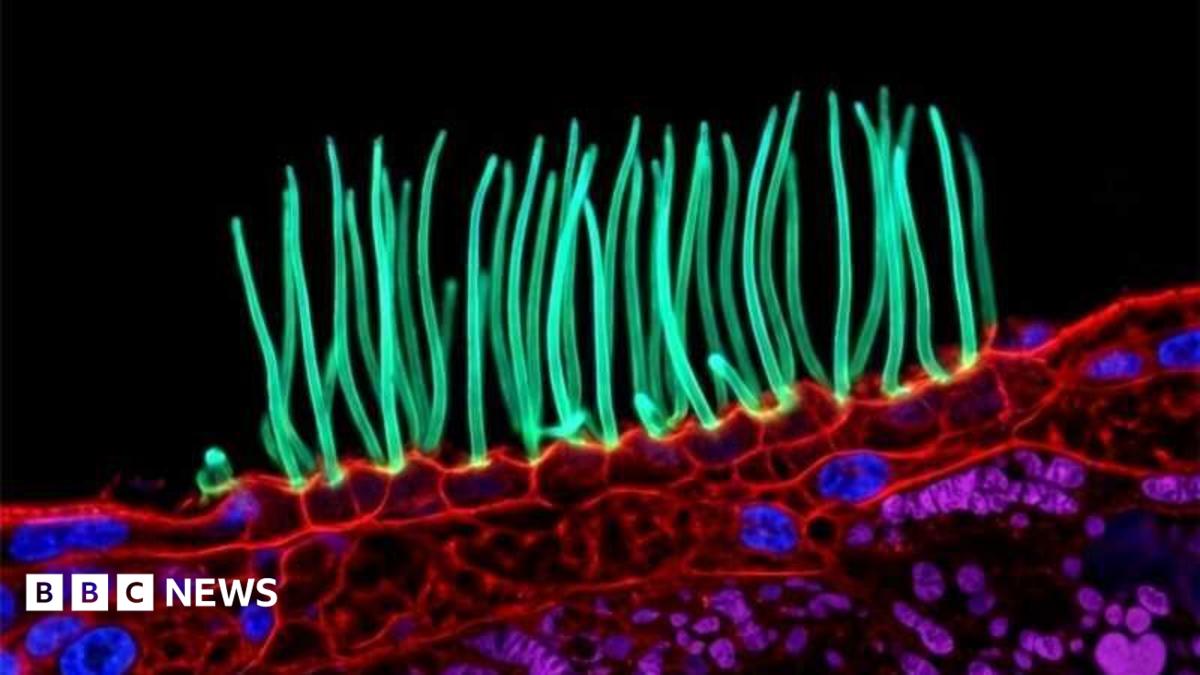
The video, submitted by Dr Ning Xu of Tsinghua University in China, showed tiny, hair-like cilia moving in the airway of a child with the respiratory condition PCD. Scientists, including former contest judges, raised concerns on Nikon’s LinkedIn page that the footage did not appear to be real. Xu acknowledged using AI, said he believed he had followed the rules and cooperated with Nikon’s investigation. The BBC said it had approached him for comment.
Nikon said it reached its decision after re-evaluating the video and supporting materials and consulting members of its judging panel. The company said it would review the rules and procedures of the annual contest, which has run for 15 years and focuses on microscopic images.
Dr Robert Hirst, a University of Leicester scientist and lead scientist for the university’s NHS centre for PCD diagnosis, was among the first to raise concerns. He said he was not surprised and had immediately thought the video was fabricated. Hirst said he had diagnosed PCD for 20 years by examining cilia waveforms, length, cell size and shape, and that the cells and cilia in the video did not resemble those of PCD patients. He said the controversy had affected patients, scientists, doctors and PCD support networks around the world.
Comments
0No comments yet. Be the first to comment.