

Google’s orbital computing plans depend in part on cheaper access to space. A peer-reviewed version of the company’s white paper on orbital data centers, released Thursday and set for publication in Joule, estimates what it would take for launch prices to approach $200 per kilogram by 2035. The researchers stress that the paper is not an economic feasibility study.
Based on the payload launched by Falcon 9, the paper says a similar cost-reduction trajectory would require Starship to carry 370,000 tons of payload into orbit. That would mean about 1,800 launches over the next ten years, or 180 a year, assuming each mission carries 200 metric tons. Starship has not flown more than five times in a year.
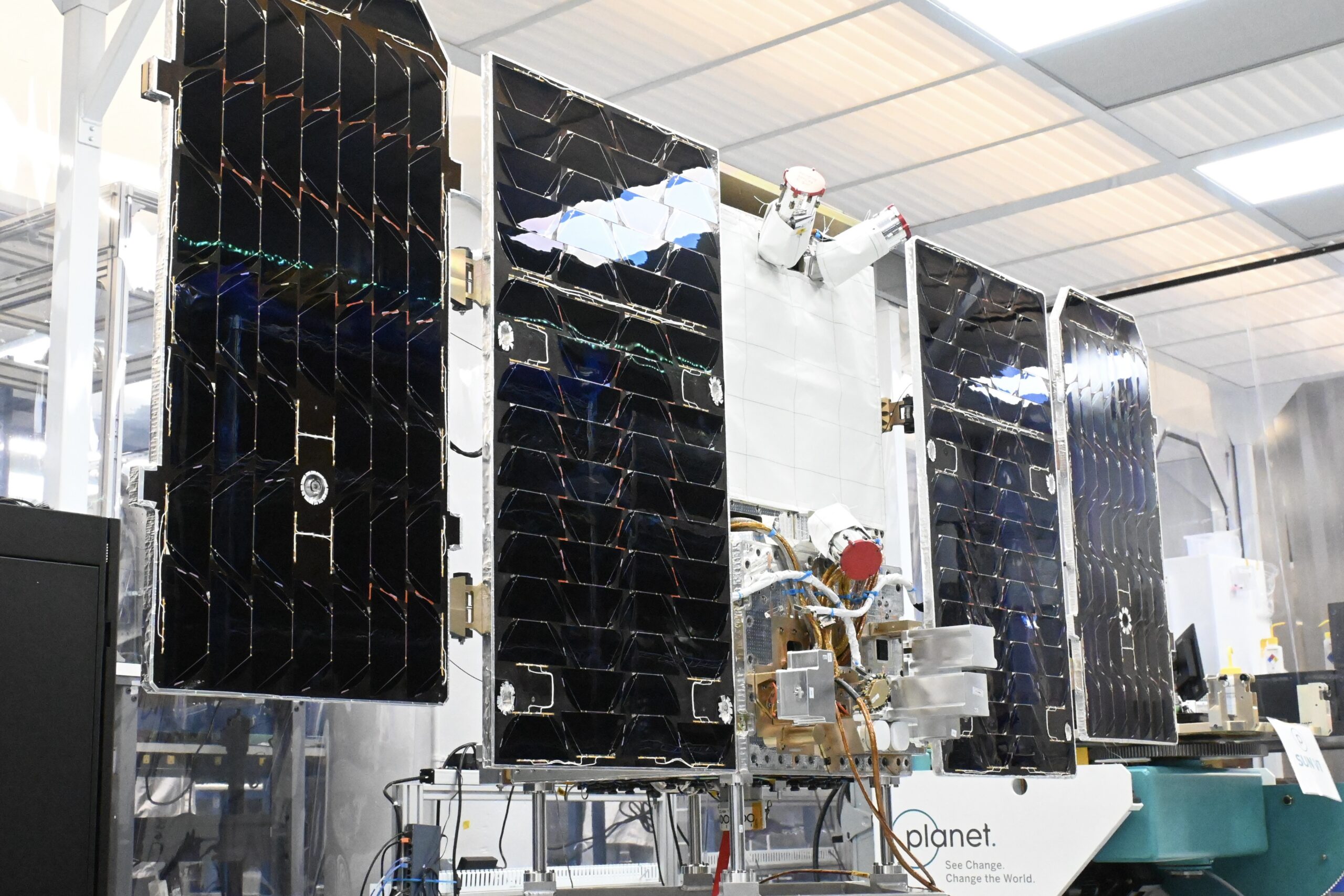
Separately, Google’s first prototype orbital compute satellite launched from California aboard a SpaceX rocket. Built by Planet Labs, it will test whether a Google Tensor Processing Unit (TPU) can operate in space, with continuous kilowatt power and cooling. Once commissioned, the satellite is expected to run its TPU in 15-minute bursts.
Google’s longer-term Suncatcher project envisions 81 satellites processing workloads in parallel. A demonstration involving two satellites designed for computing and a laser communications link is expected to launch next year. Google says tests suggest its chips could handle inference workloads during a satellite’s five-year lifespan, though large-scale training runs could be problematic. Executive Travis Beals described the typical inference error rate as “one in a million.”
Comments
0No comments yet. Be the first to comment.